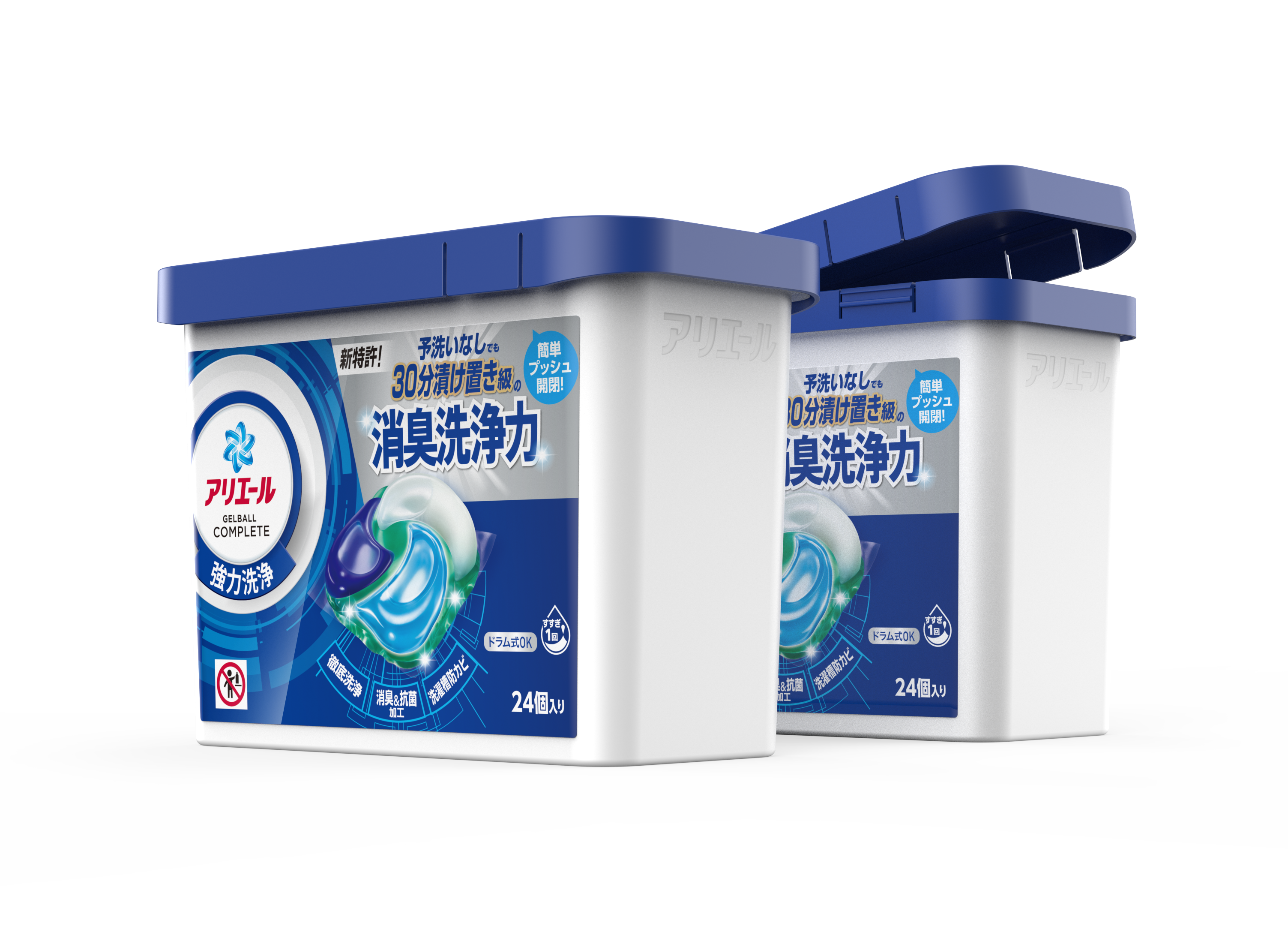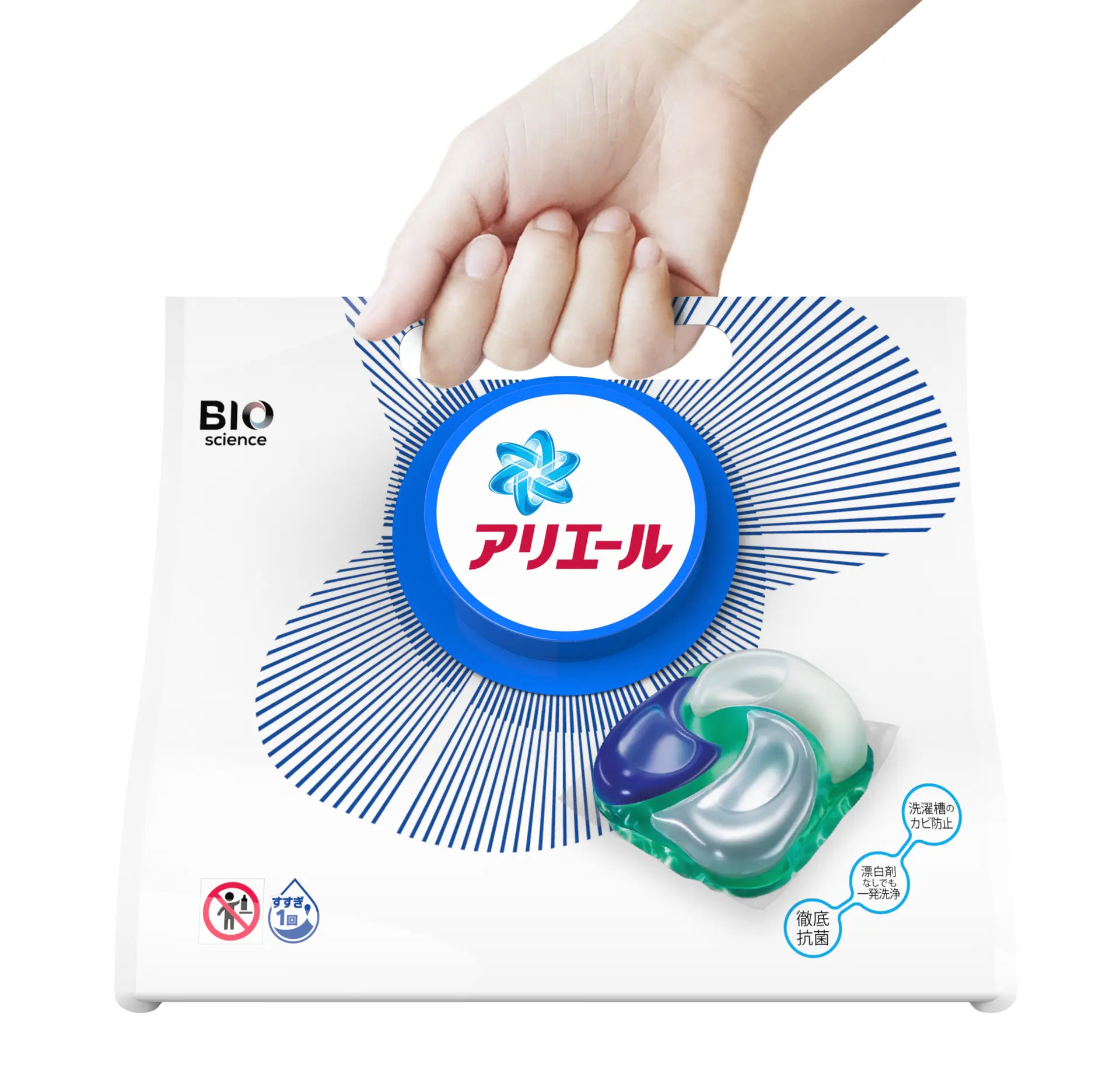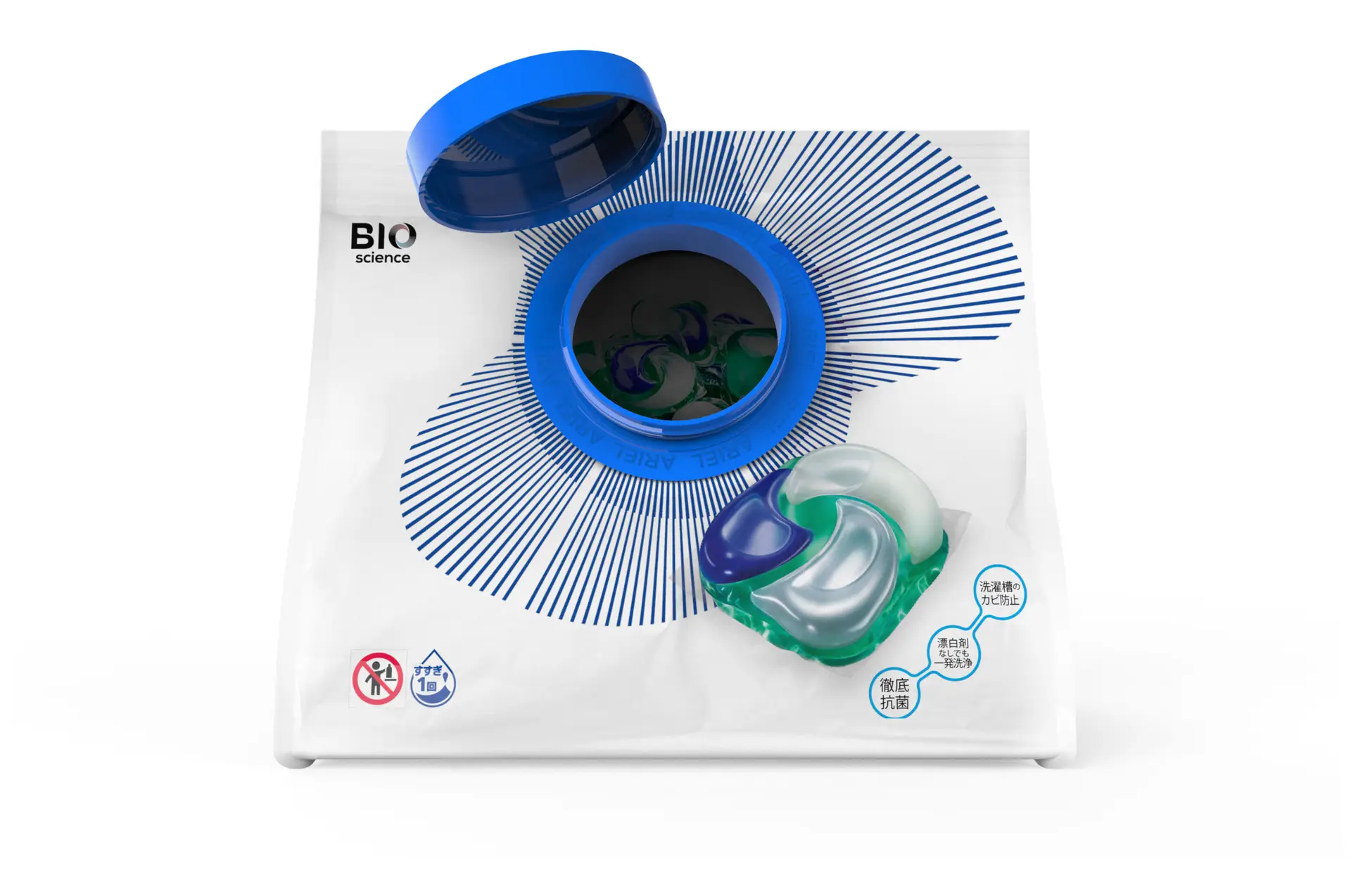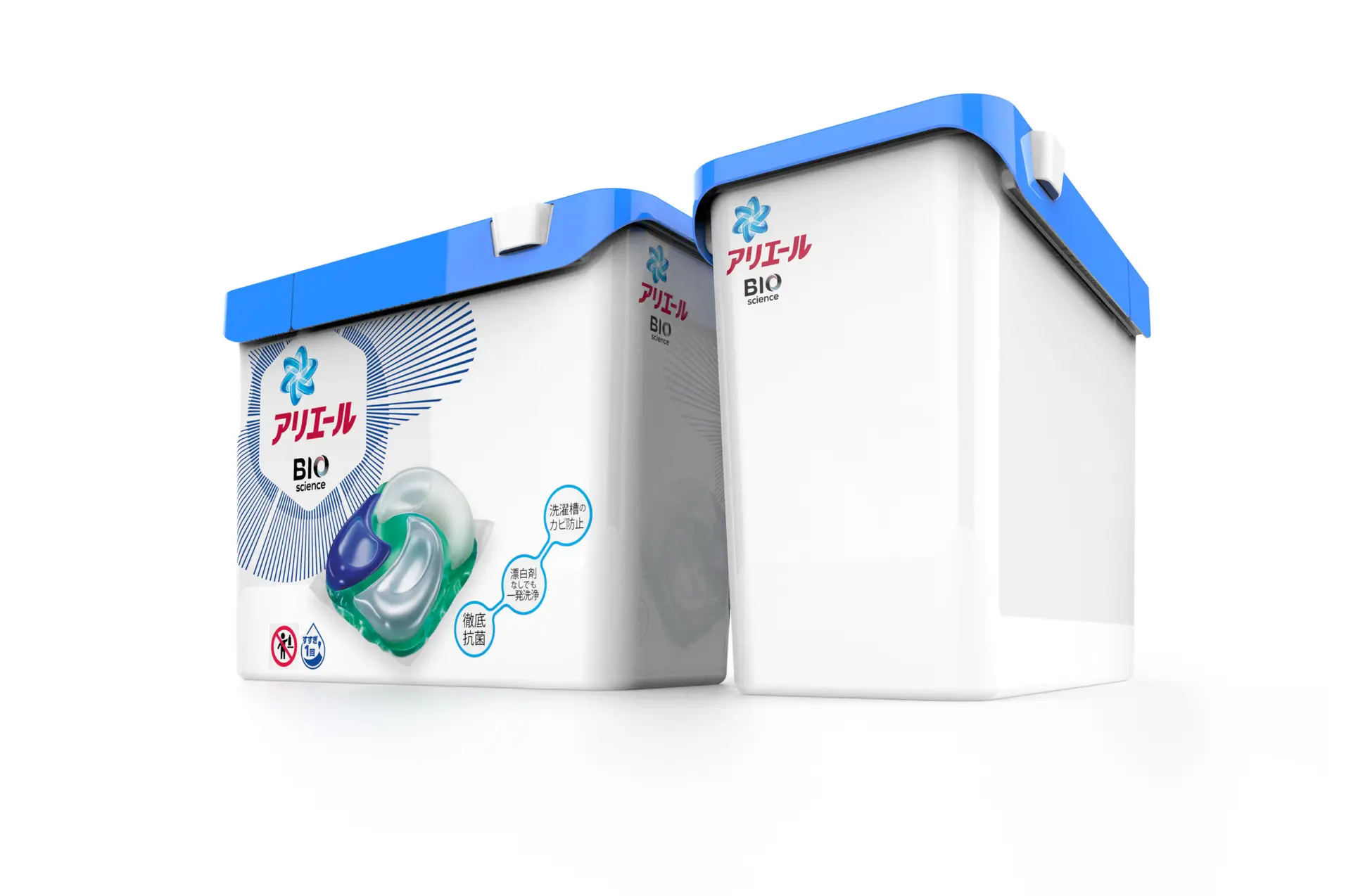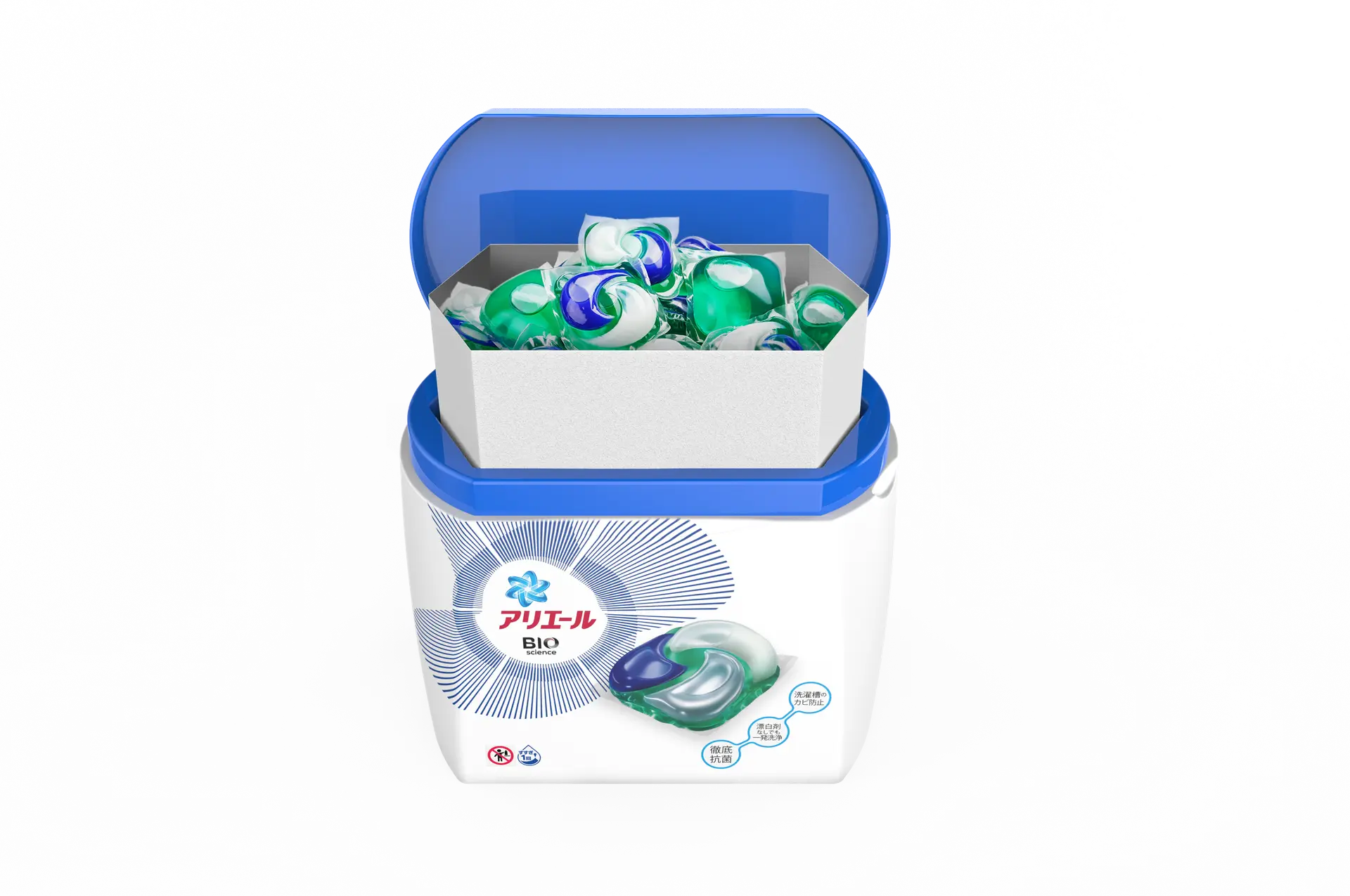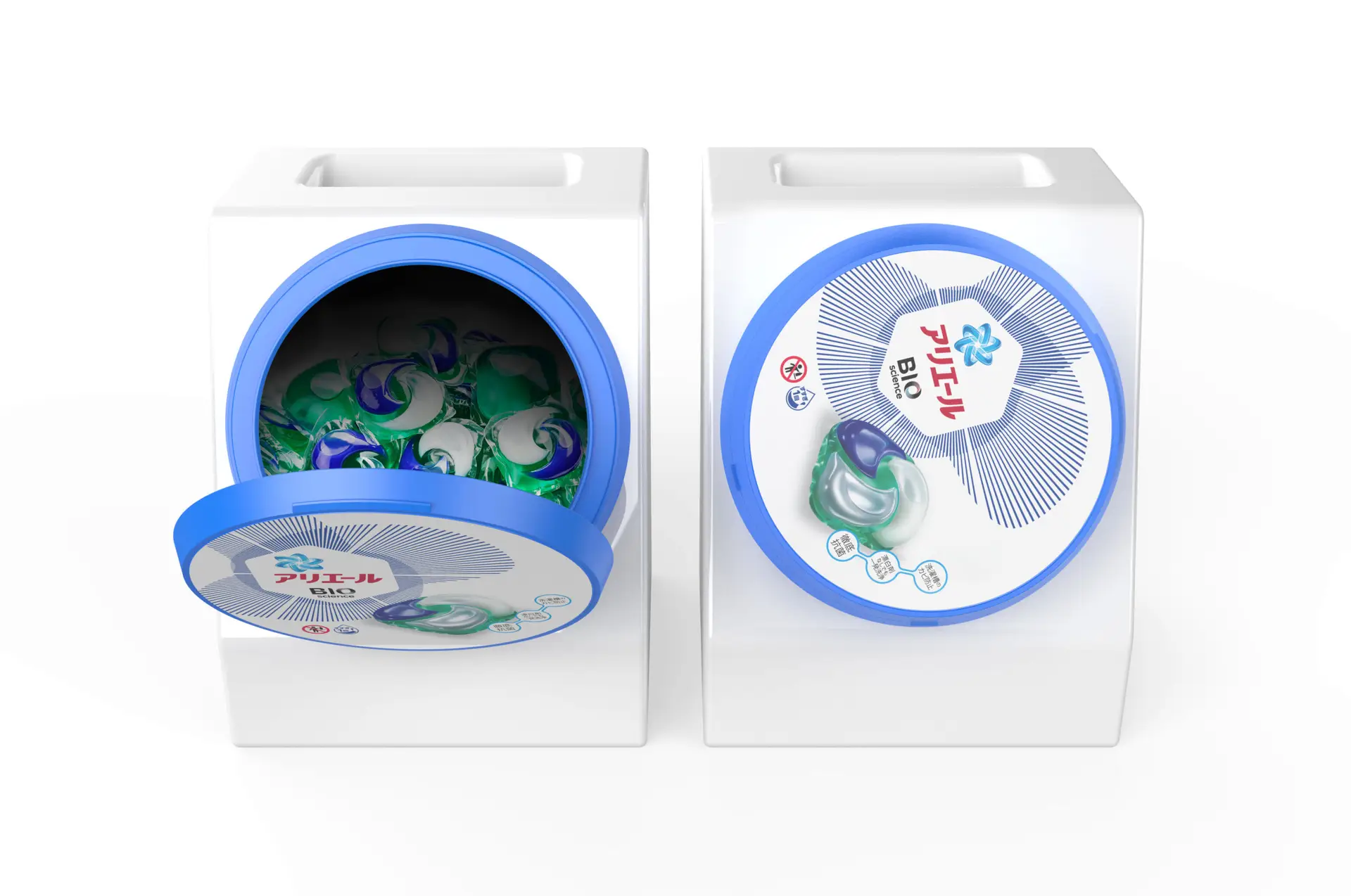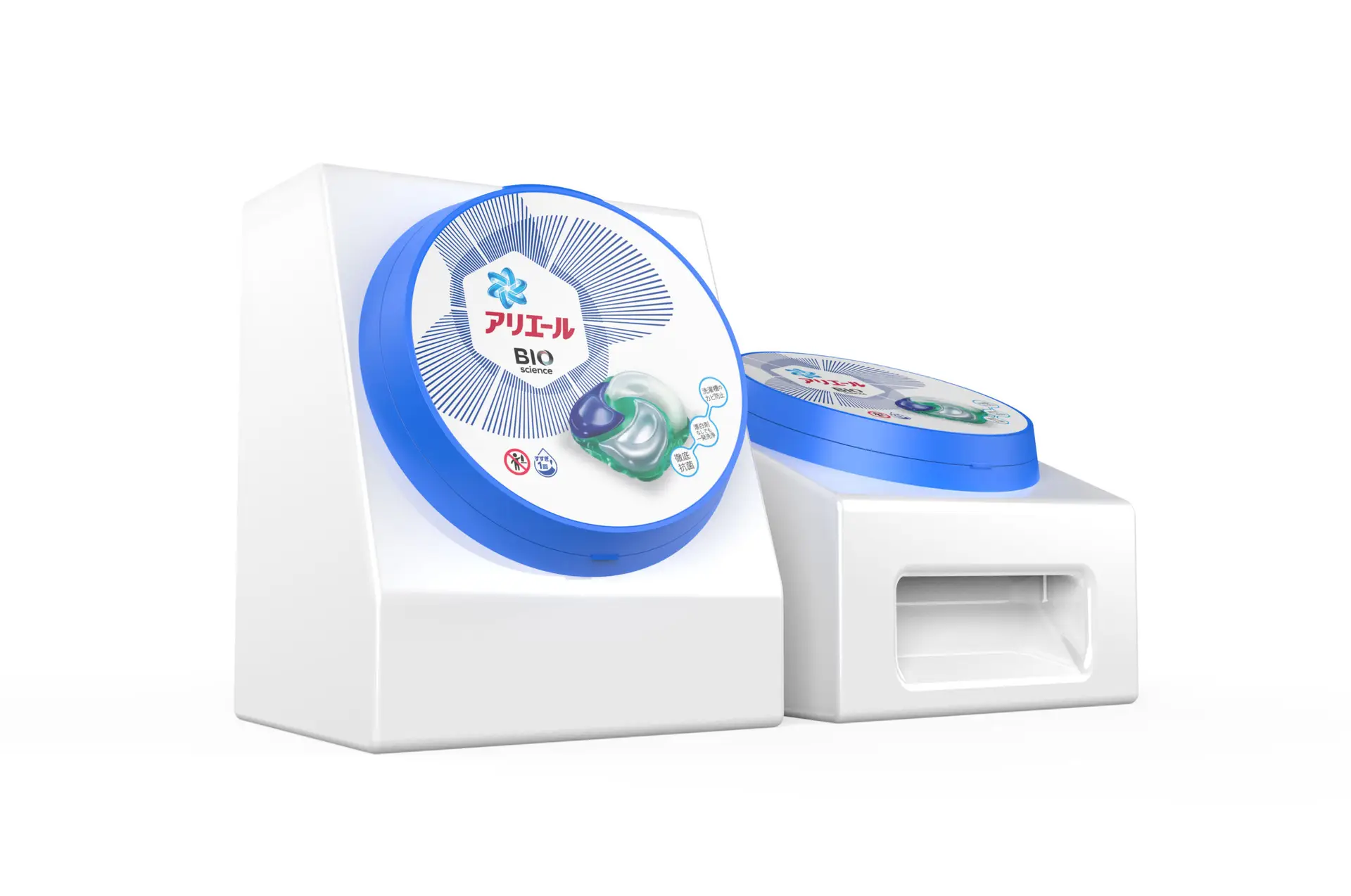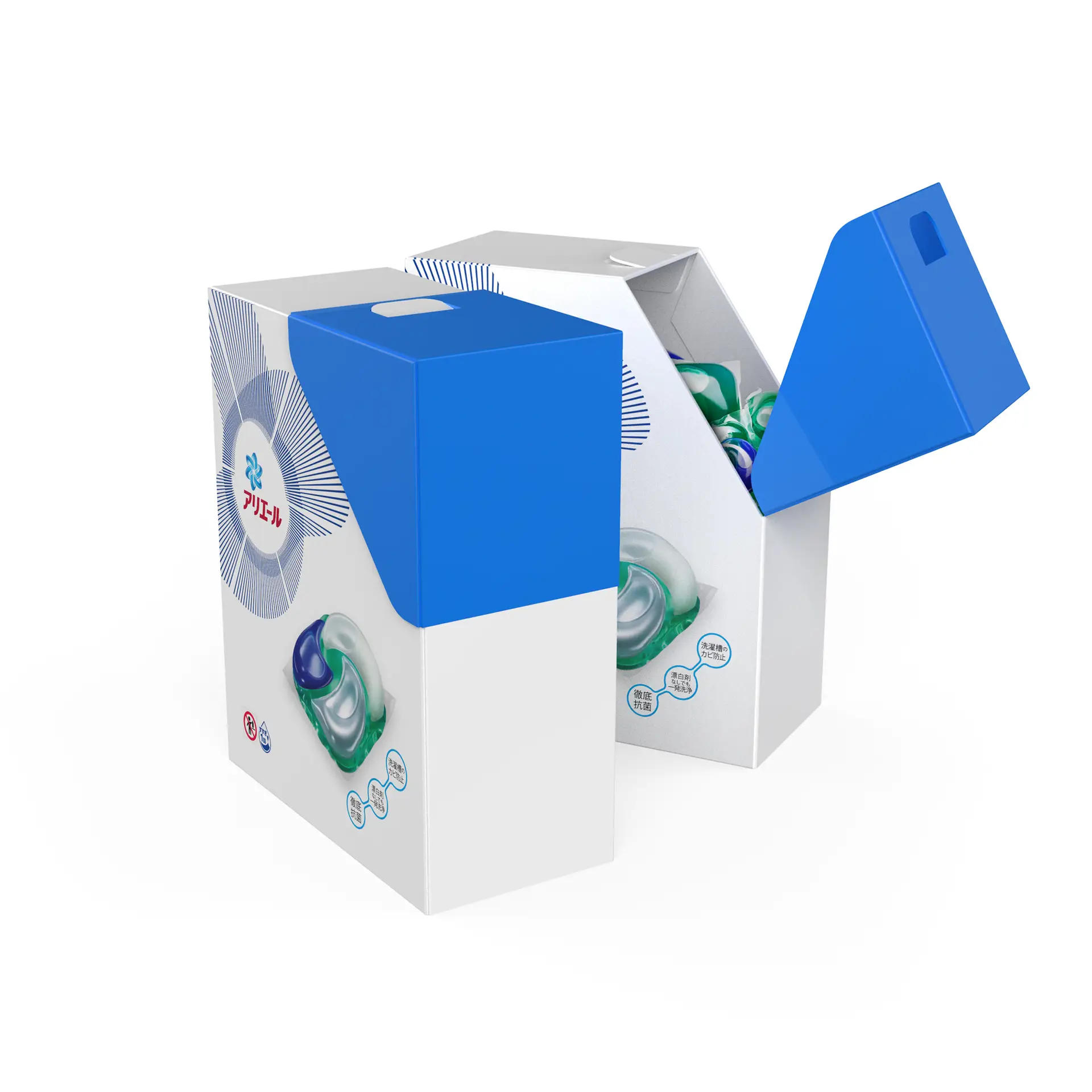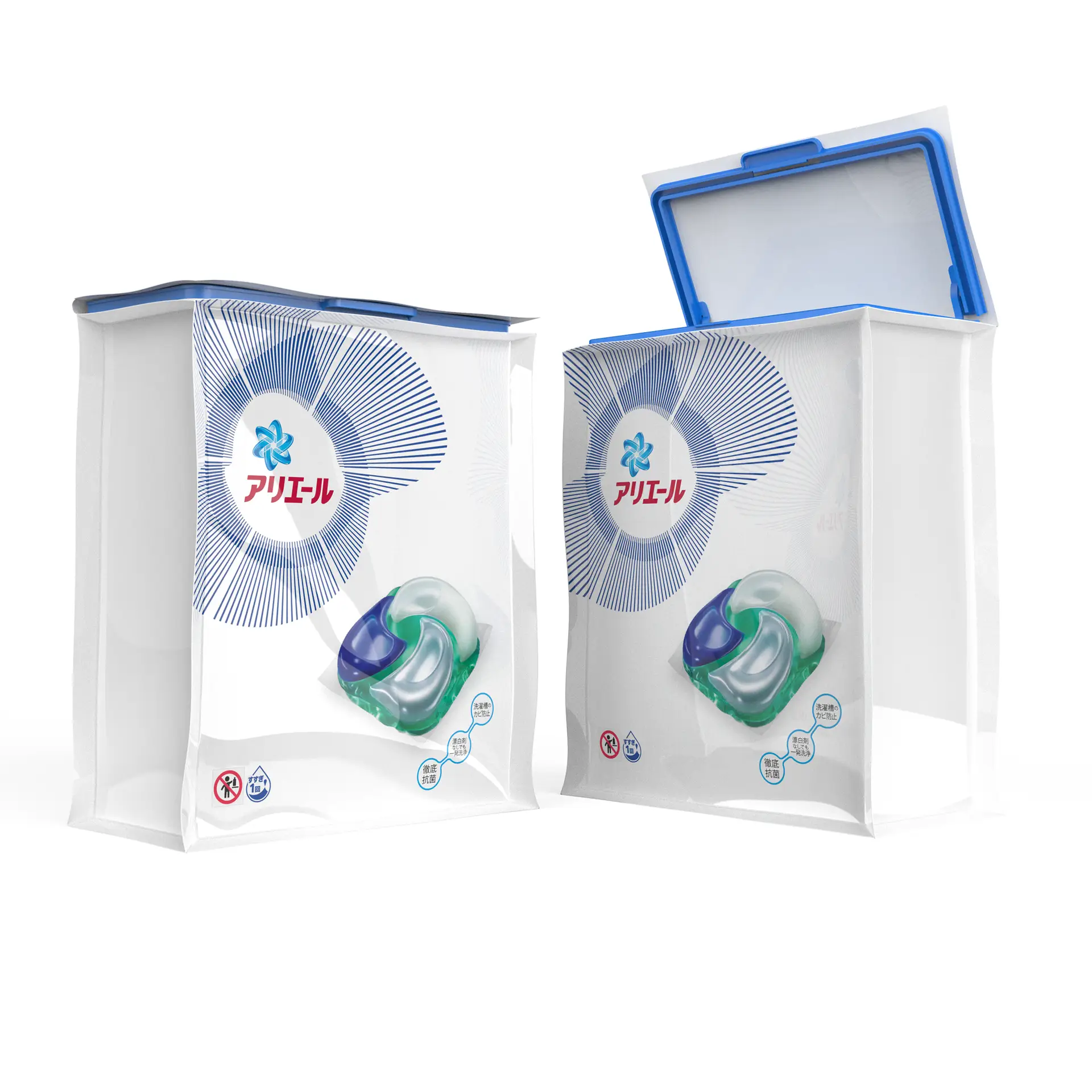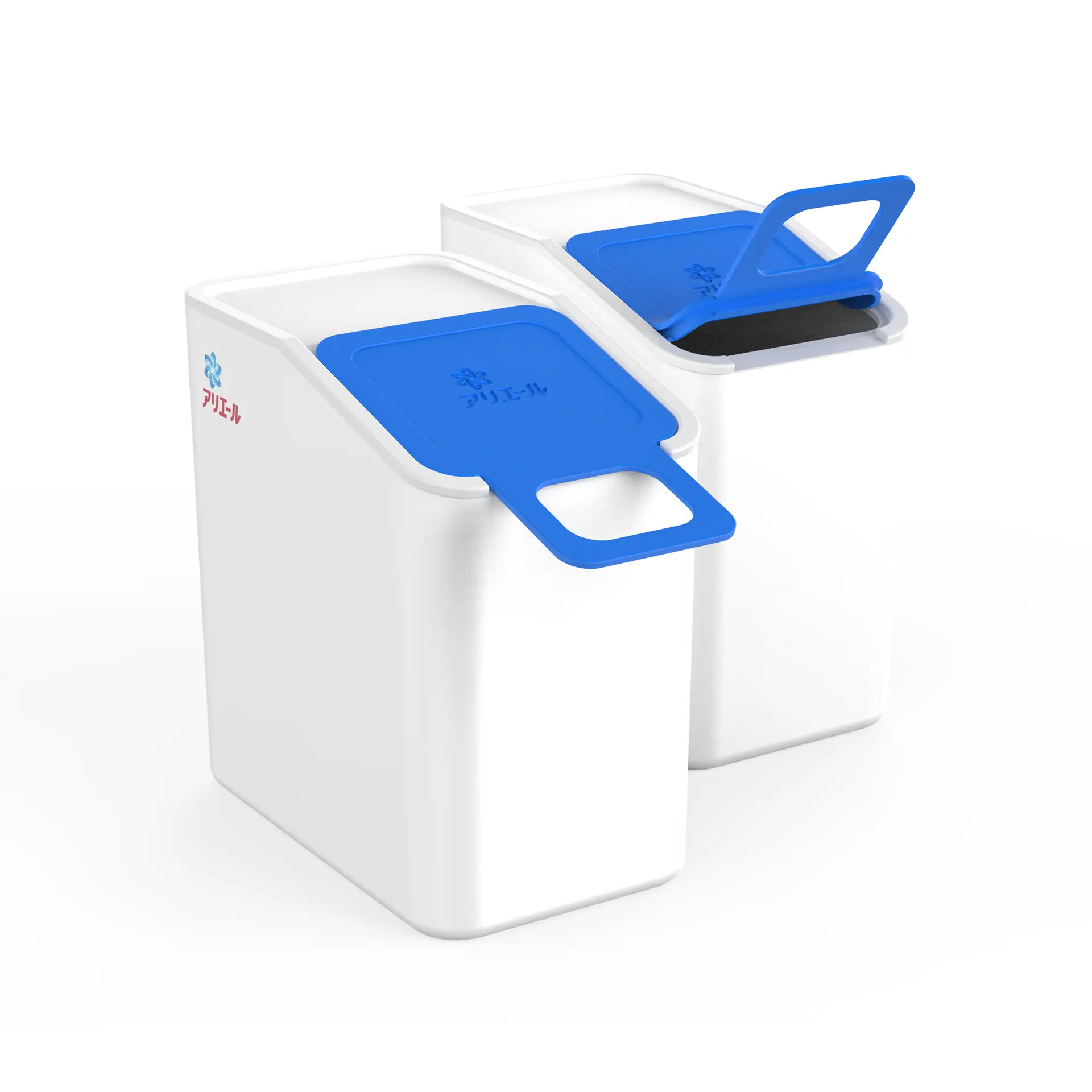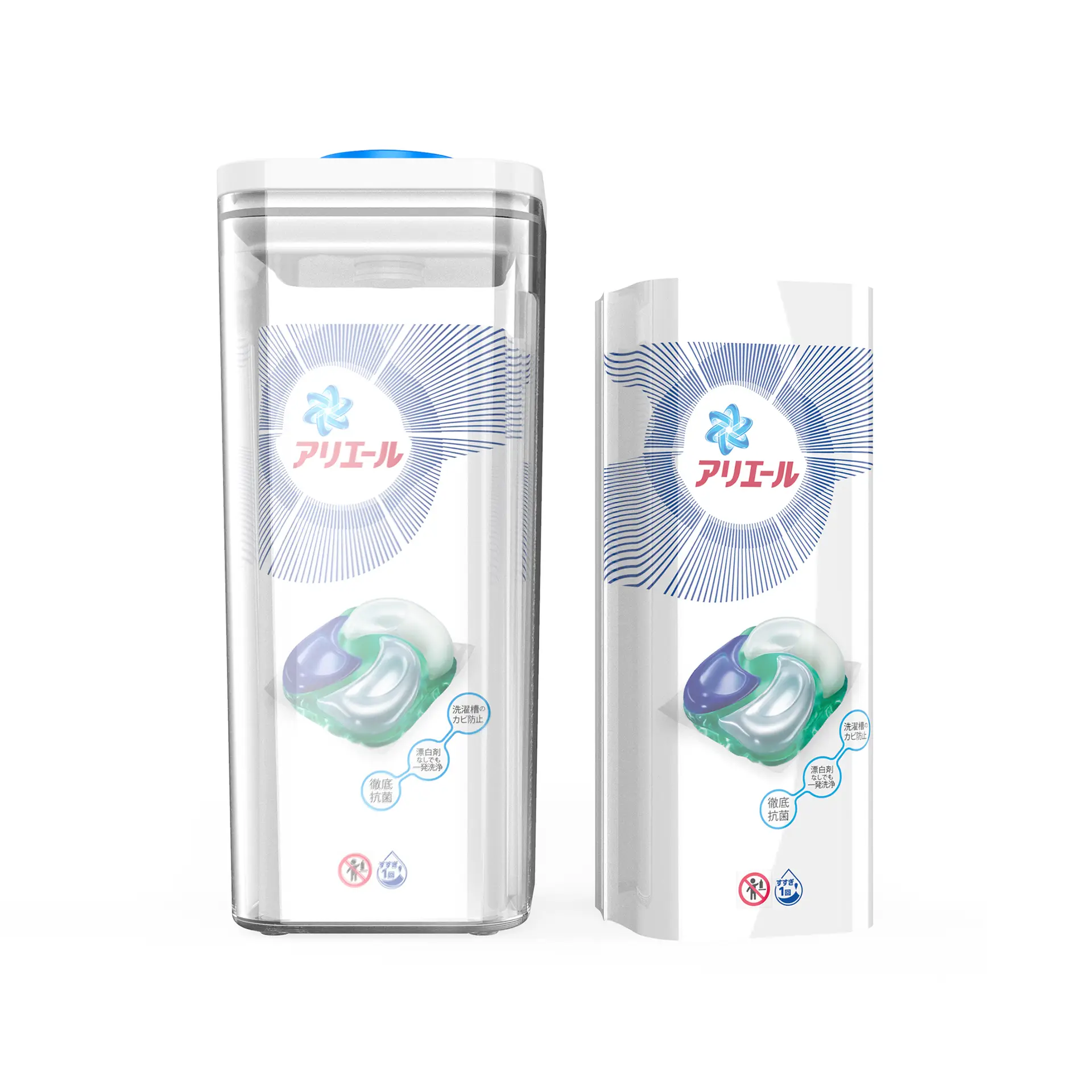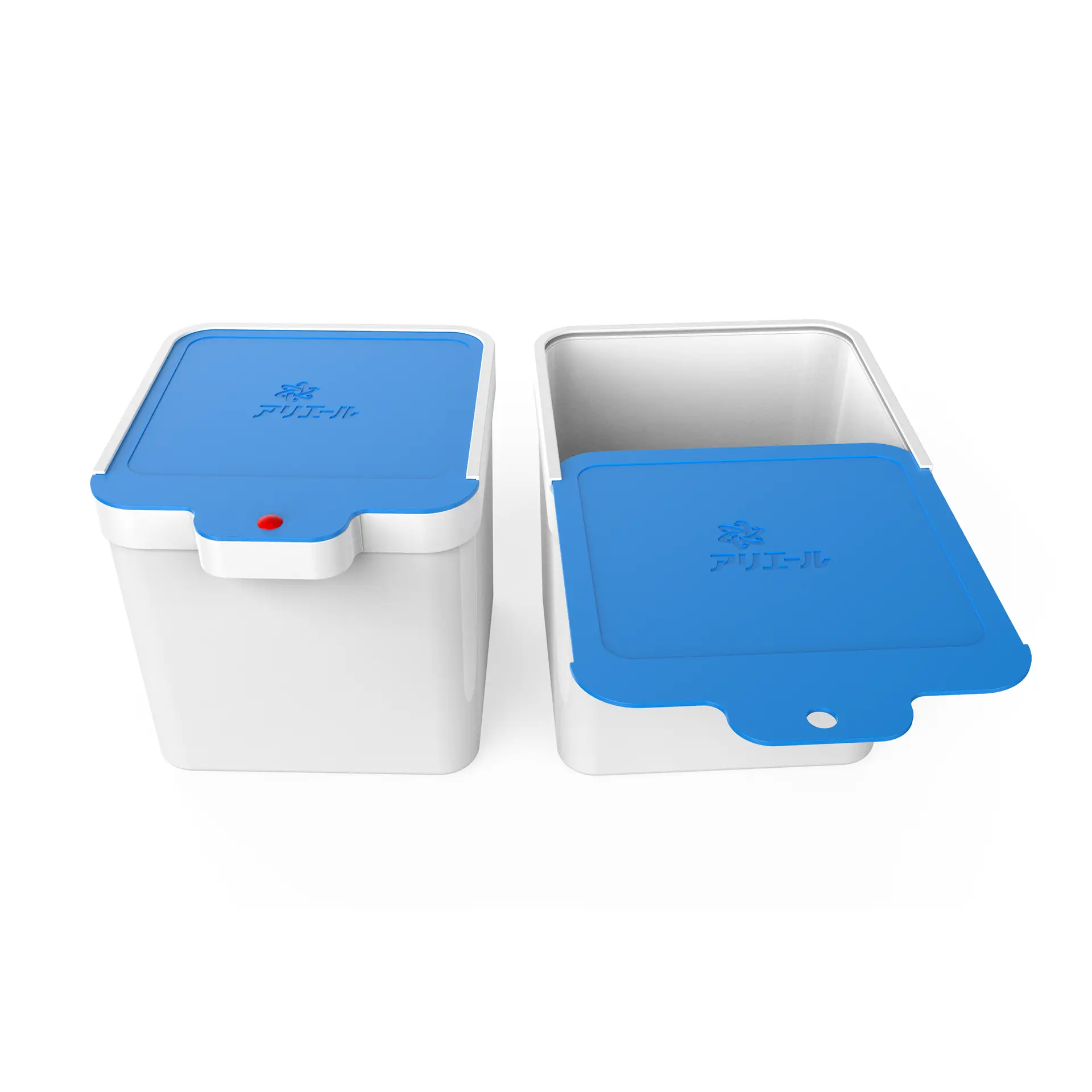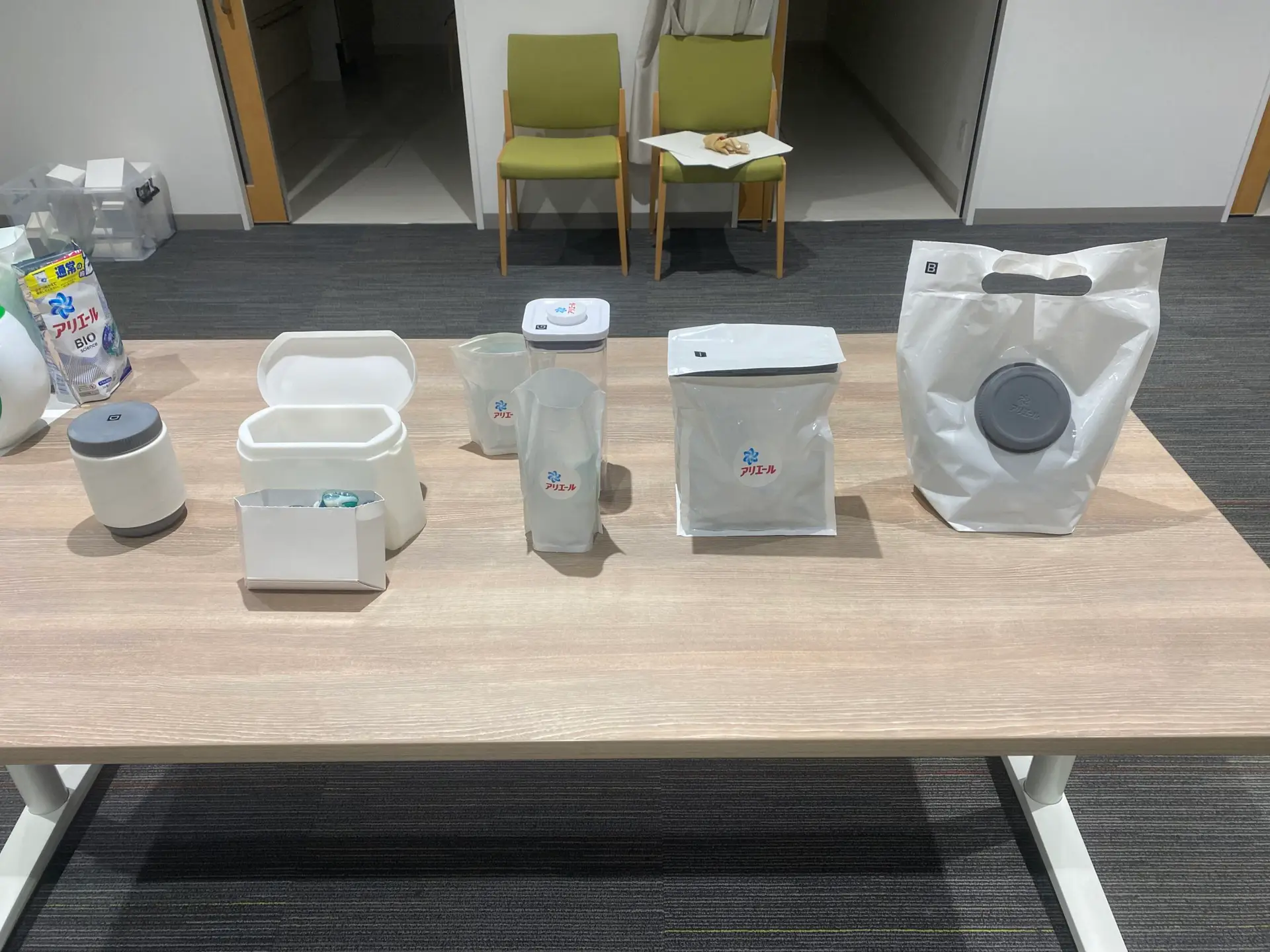
Single unit dose(SUD) detergent package study
Project Dashi focuses on developing holistic products that fit naturally into the regional consumer’s culture. It acts as a market enabler, driving growth by lowering the barrier to new technology while delivering a measurable leap in functional performance.
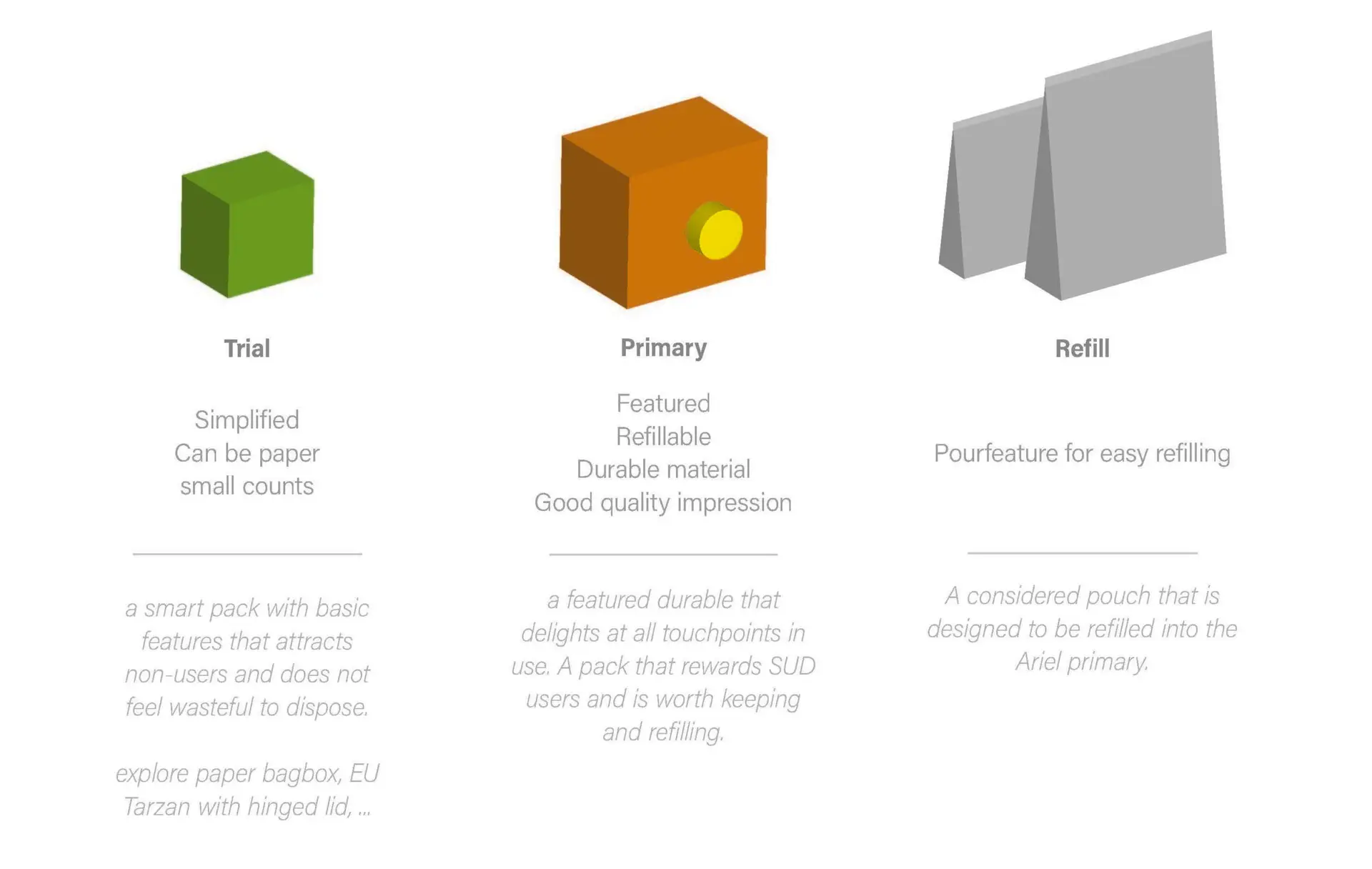
The strategy centered on building a market proposition that pulls in new consumers through frictionless onboarding. Simultaneously, Dashi focused on strengthening the product’s value proposition to convert current users into long-term brand advocates.
Living the problem
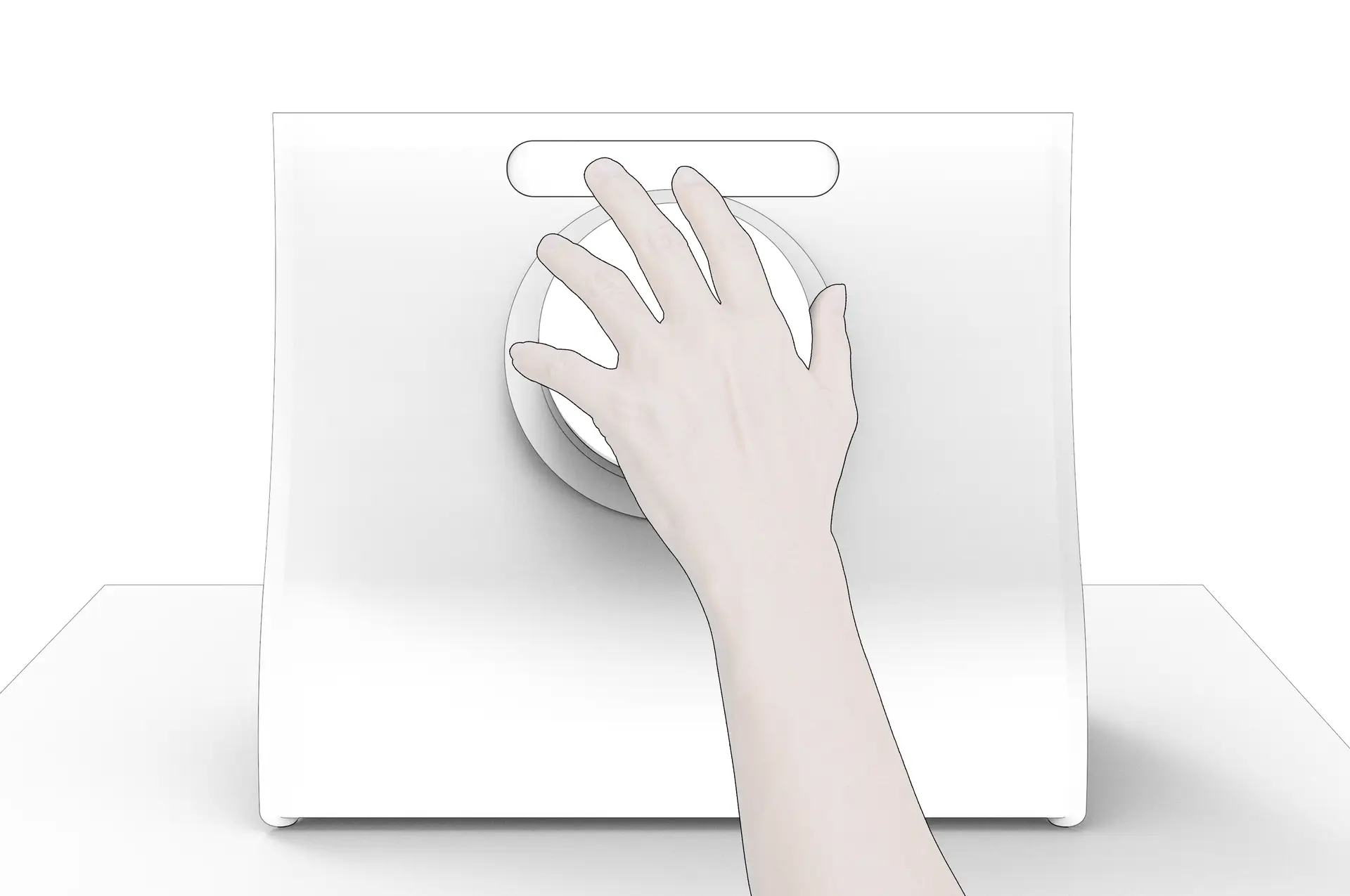
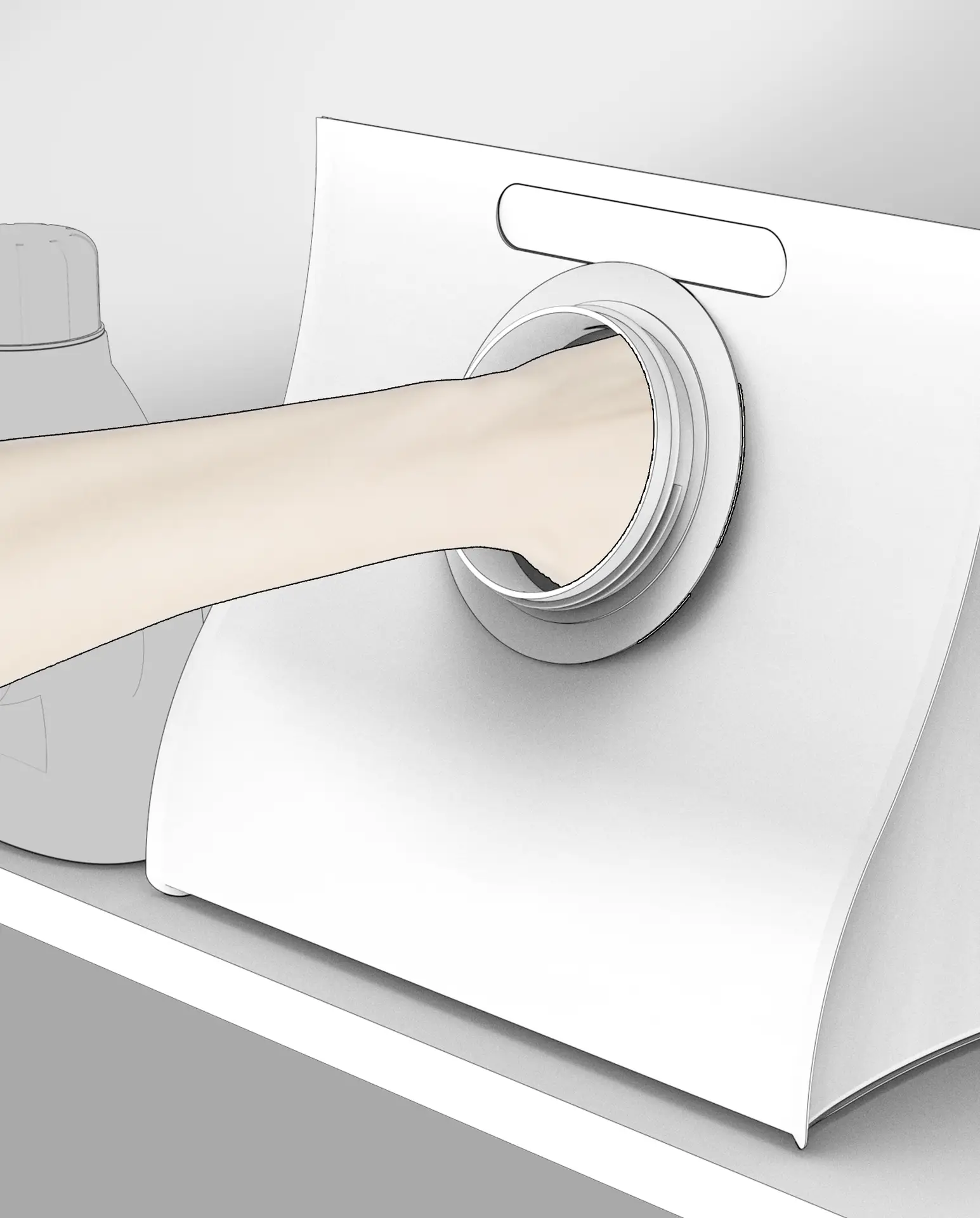
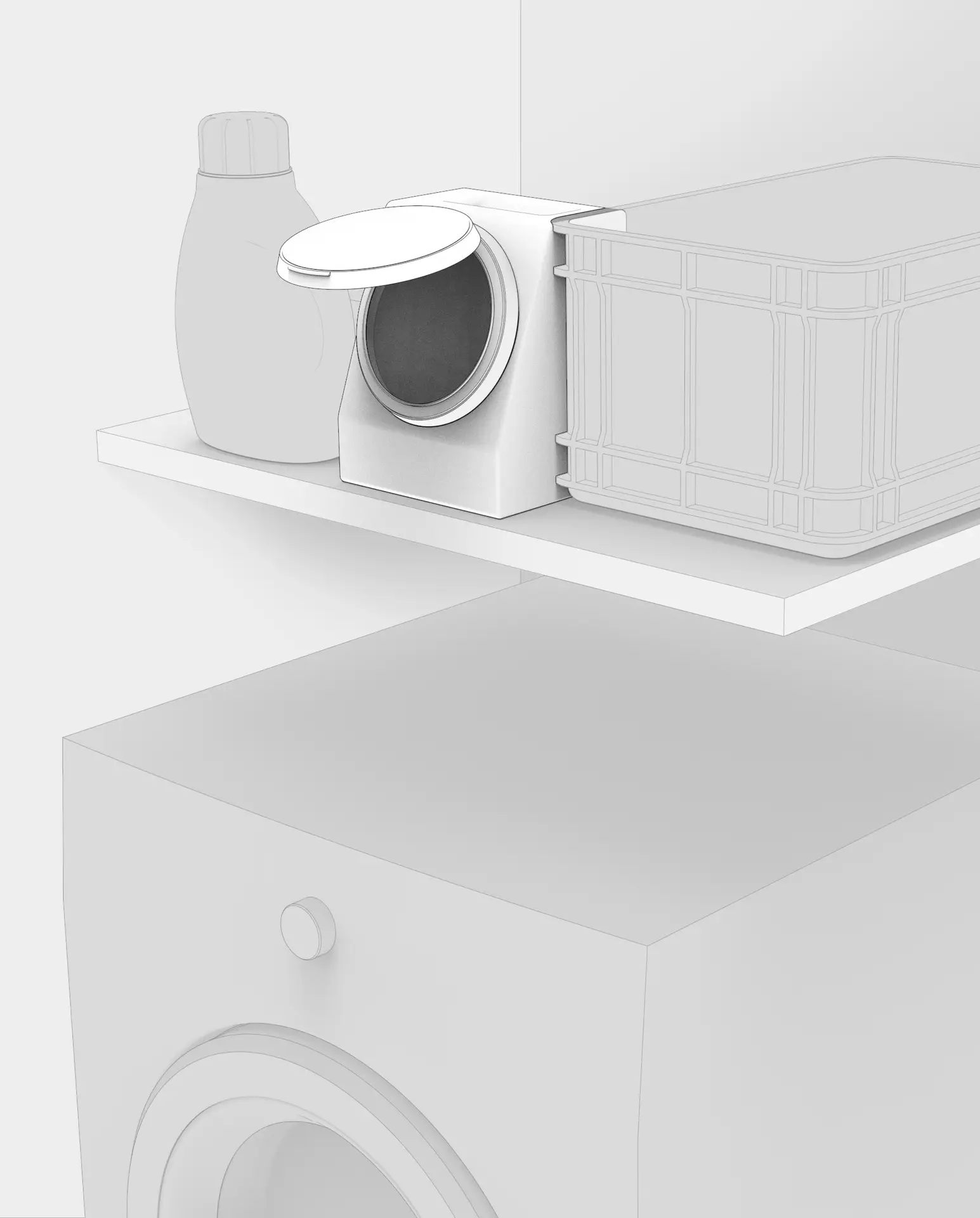
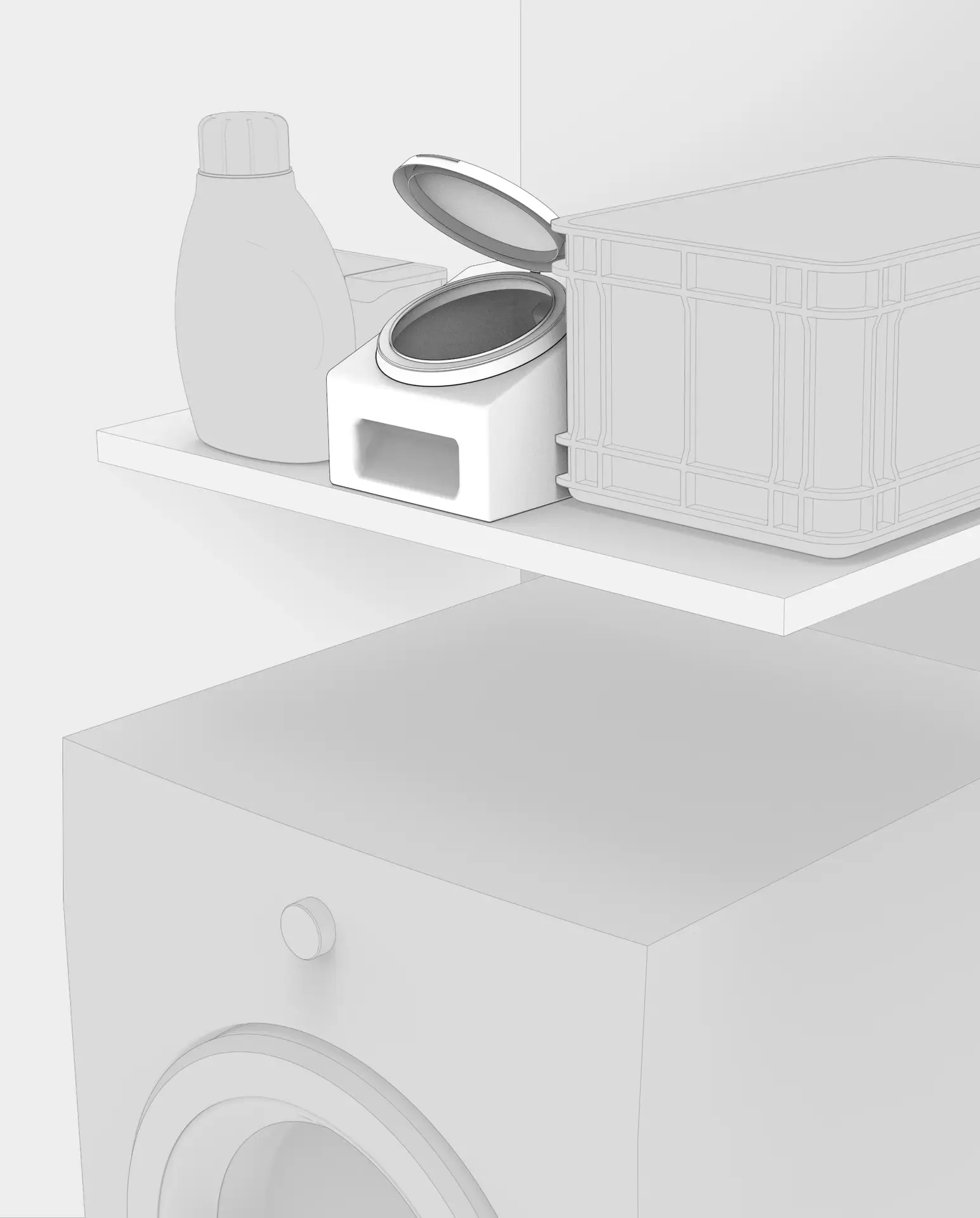
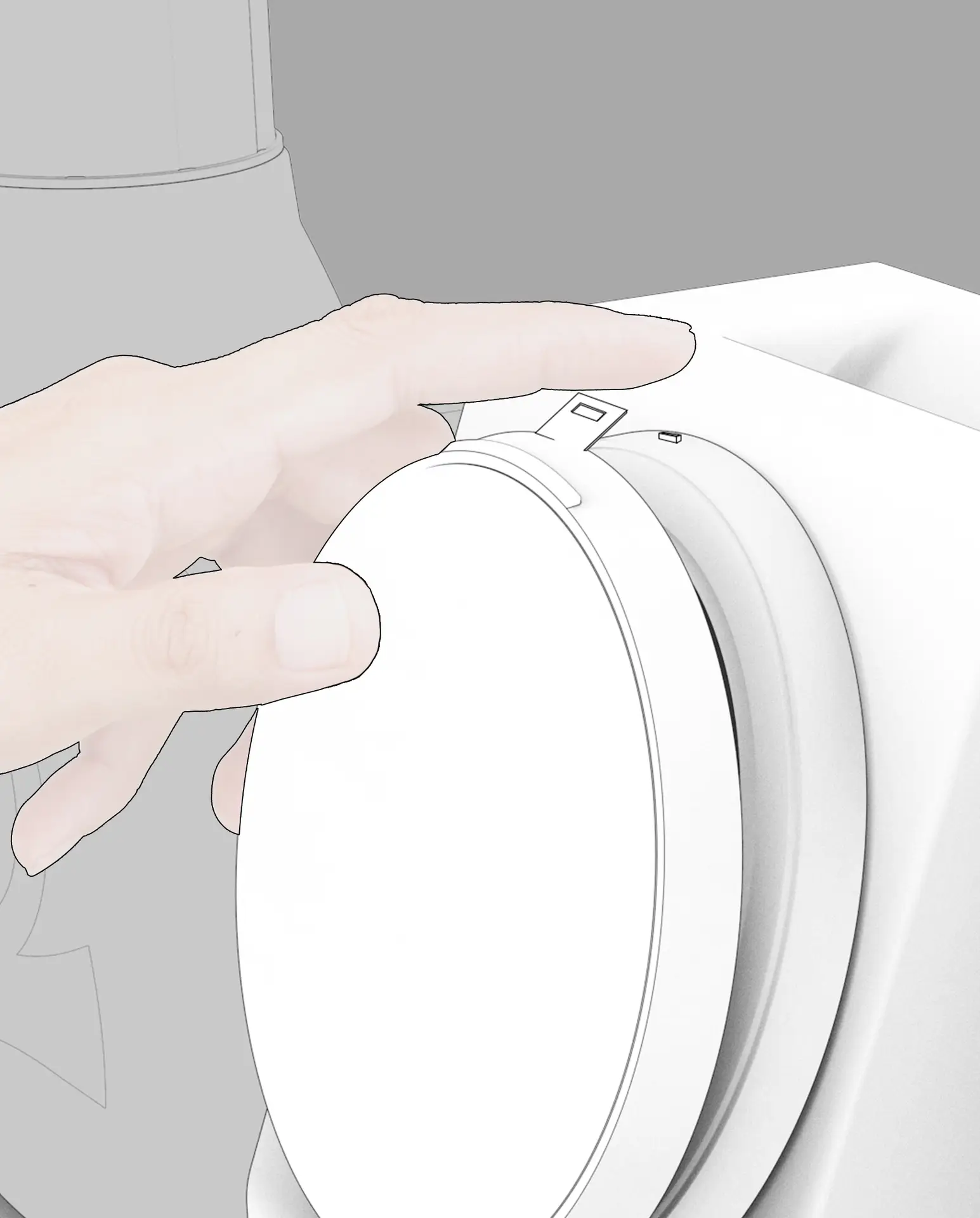
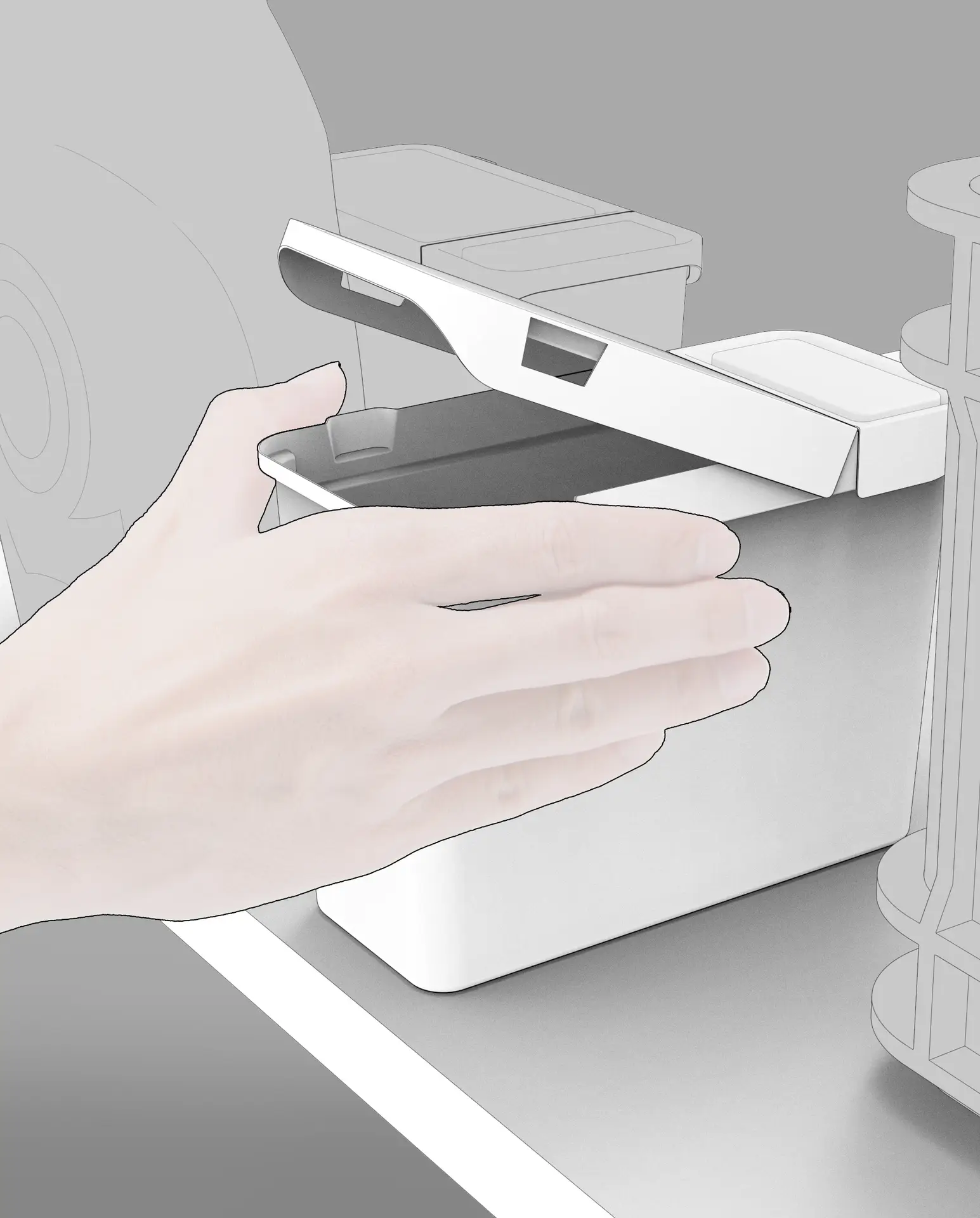
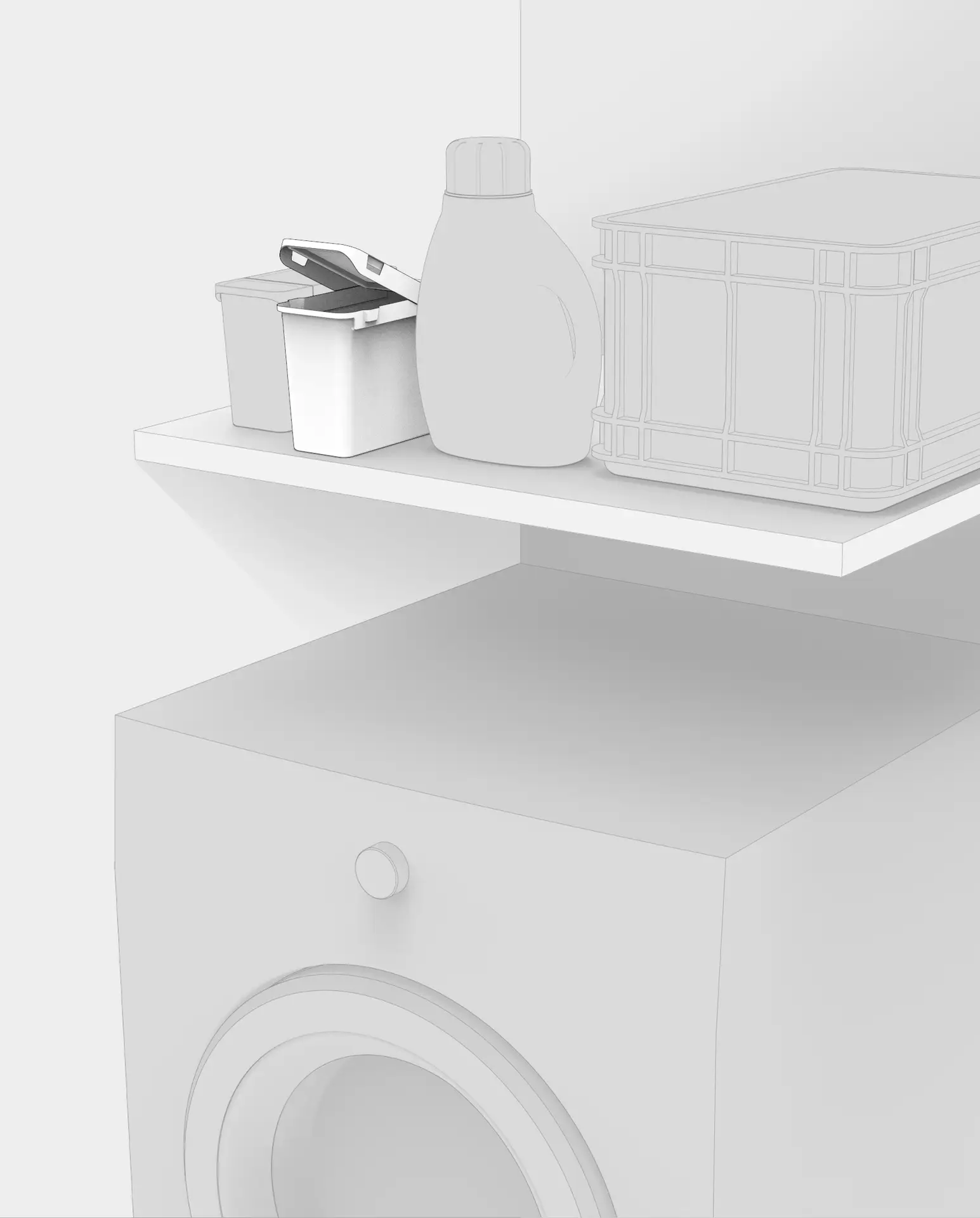
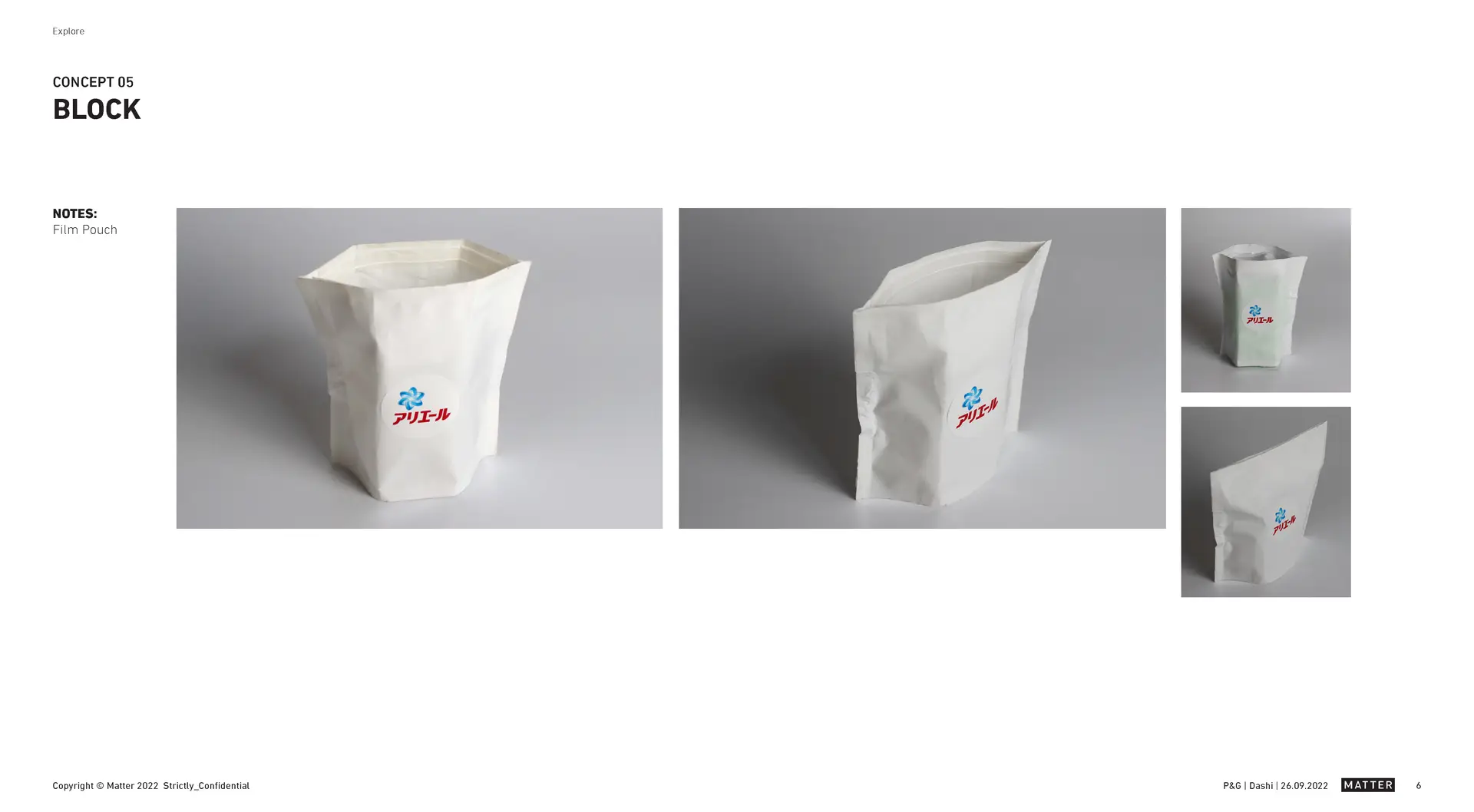
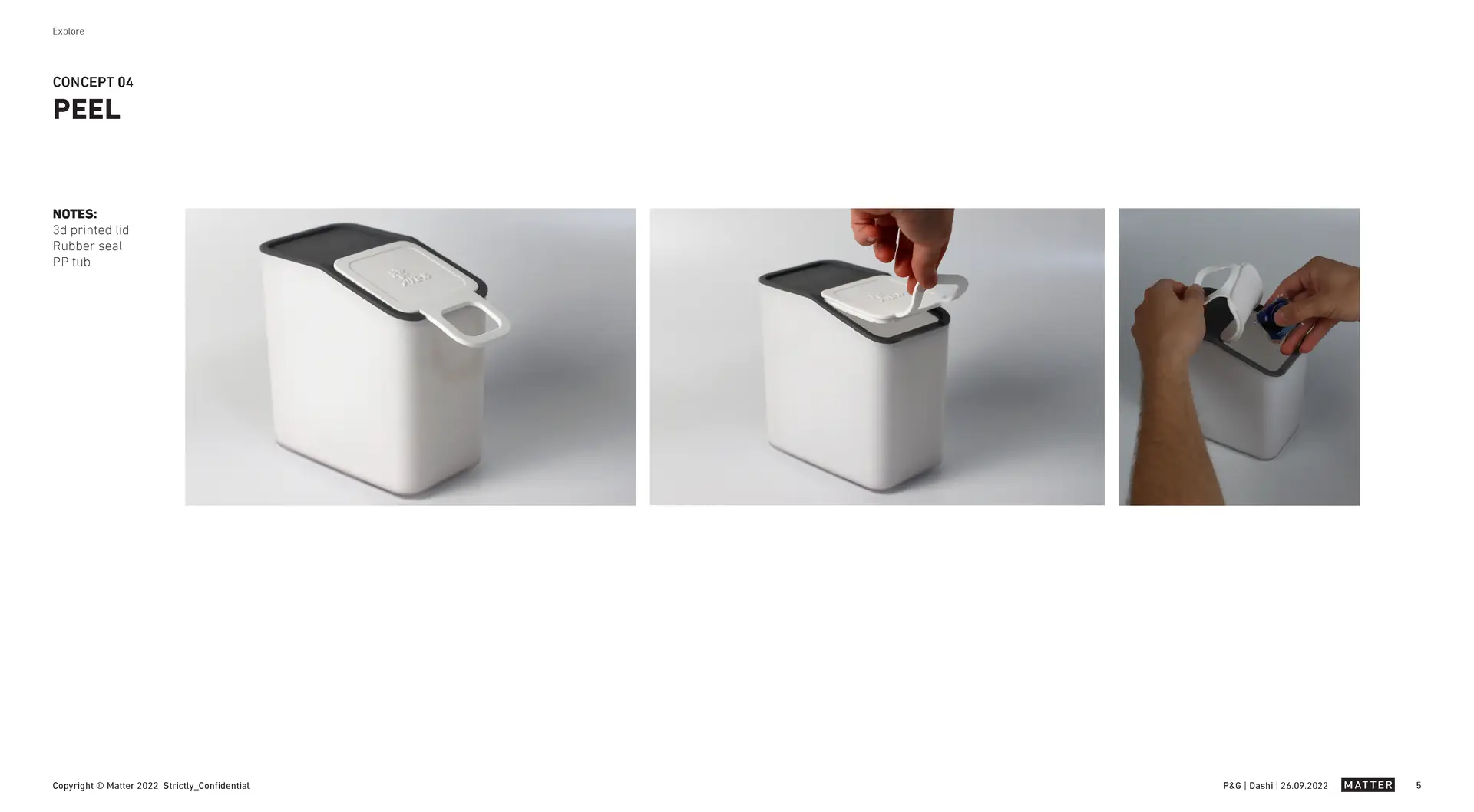
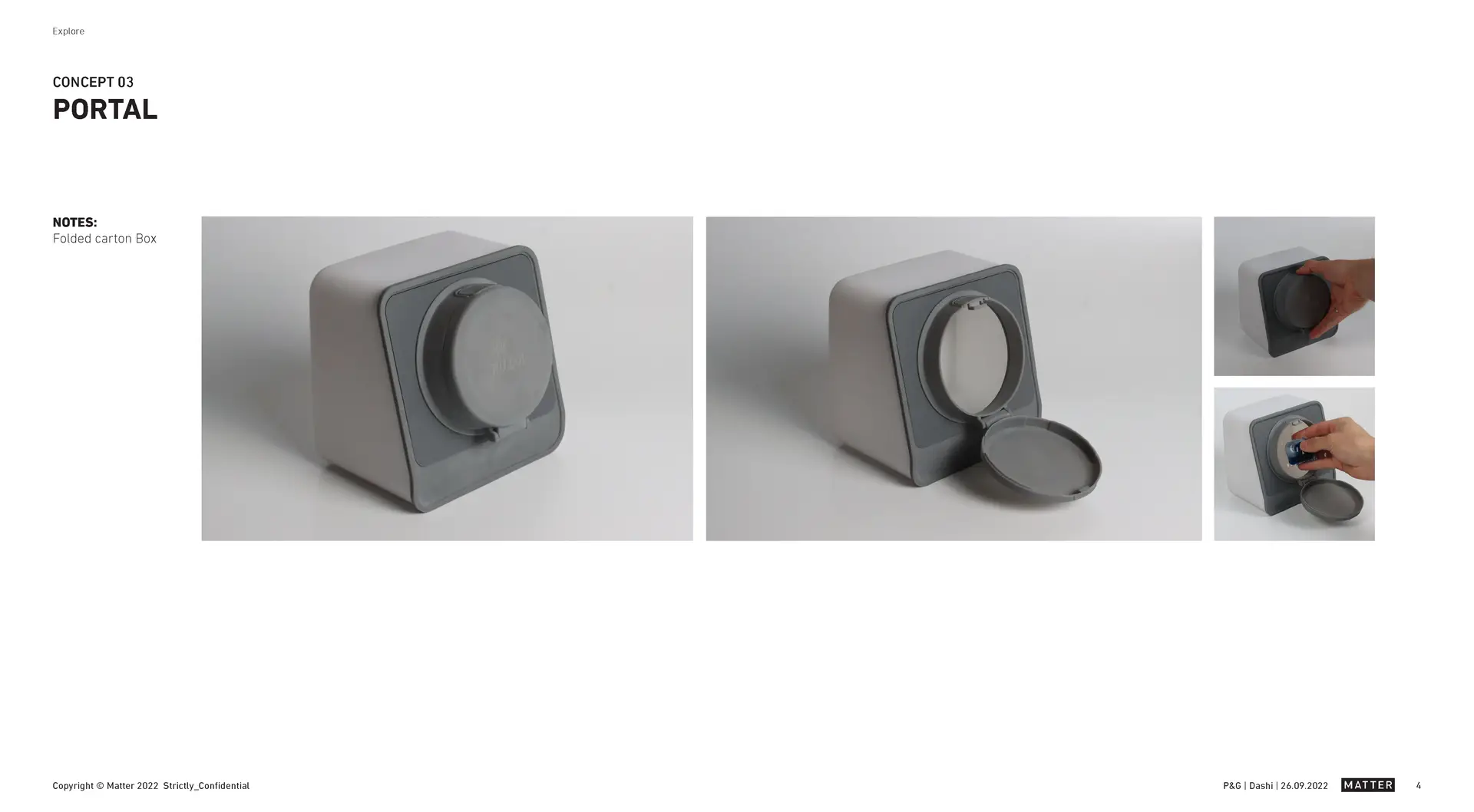
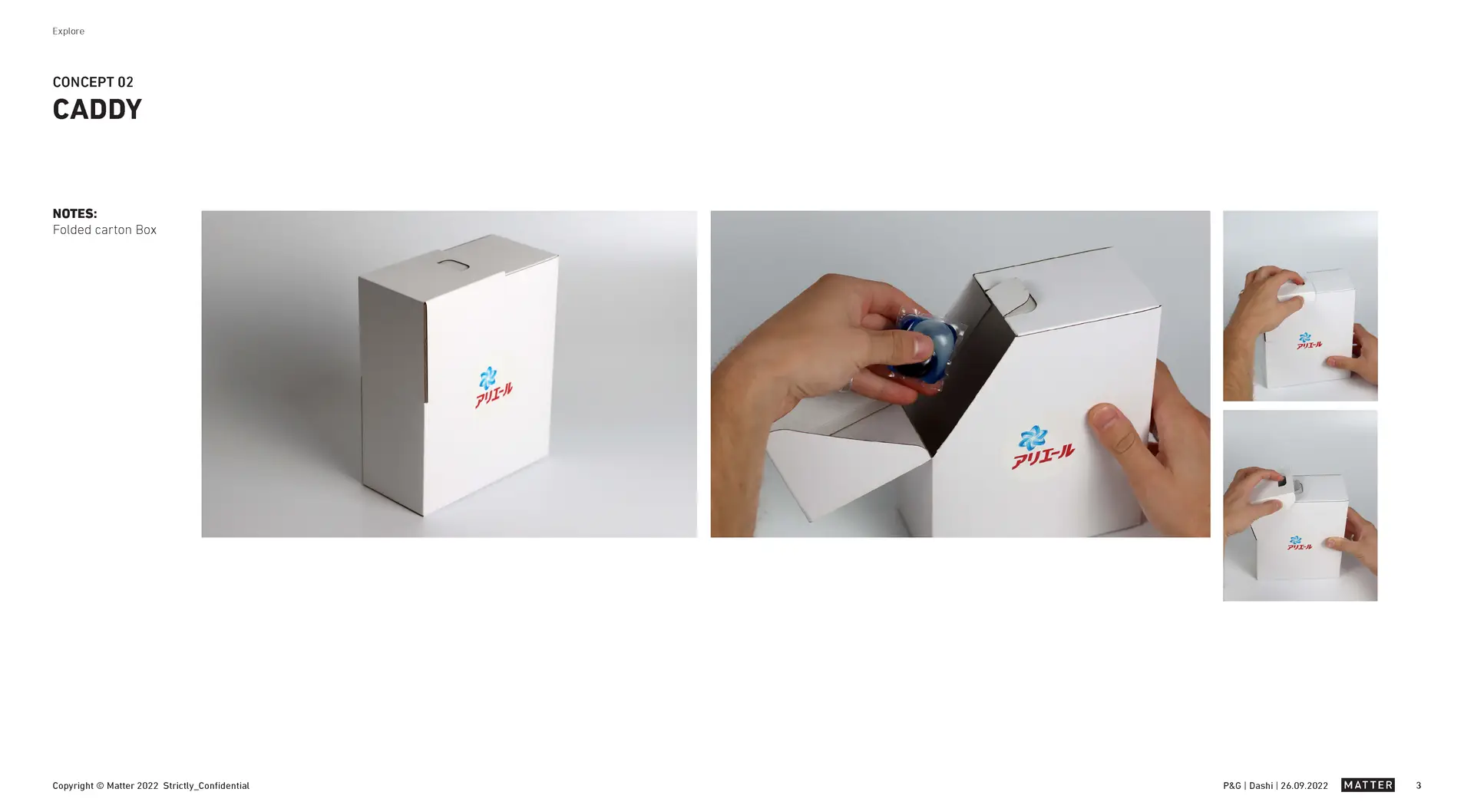
The foundation of this project began with the personal frustrations I experienced while living in Japan for several years. These daily observations eventually pulled me away from my design desk and led me to conduct research directly within the home environment. By analyzing the unique spatial constraints of compact urban living, I was able to define a specific set of design principles that directly shaped the user interface and the functional experience of the packaging.
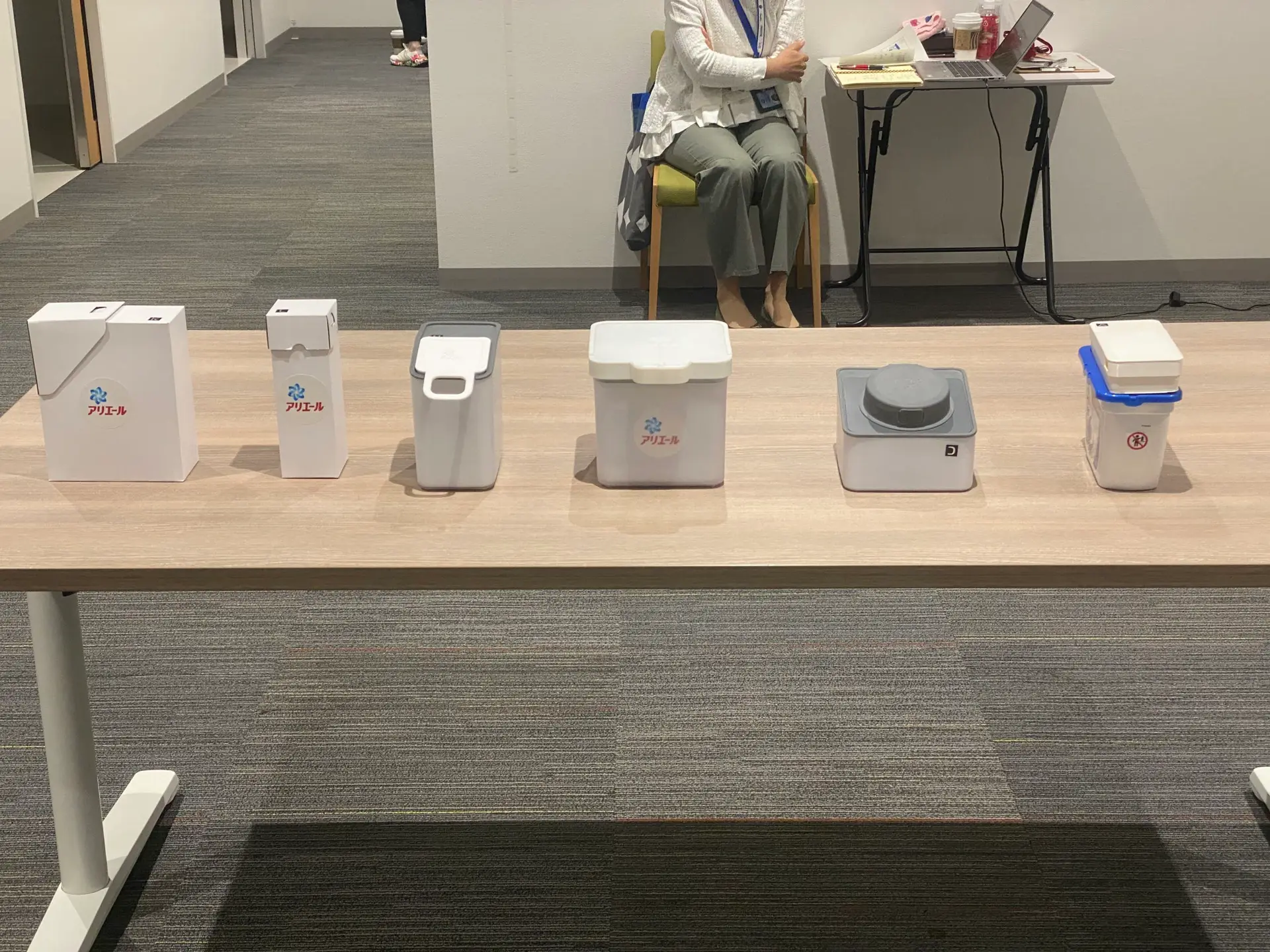
Ideation
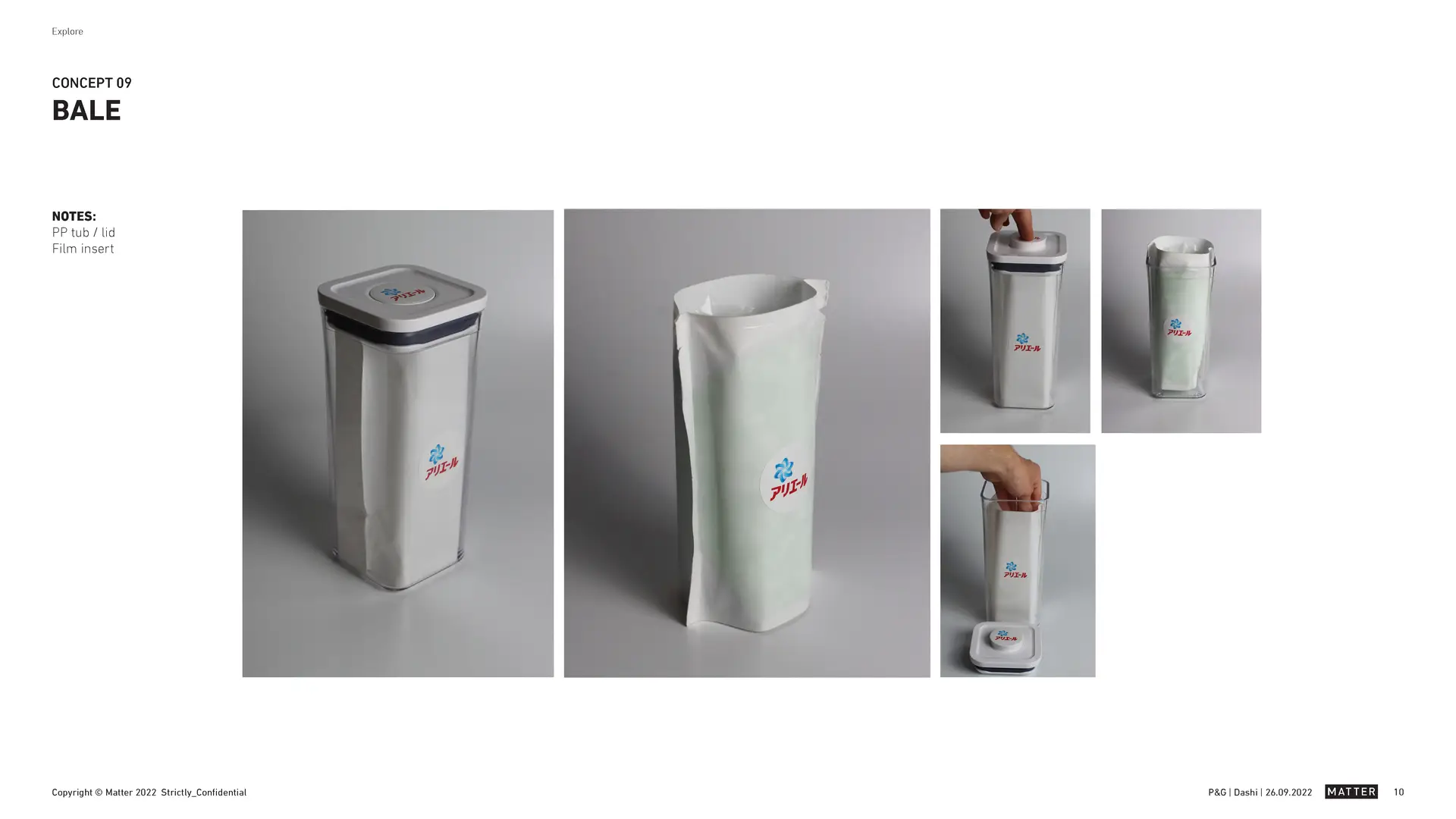
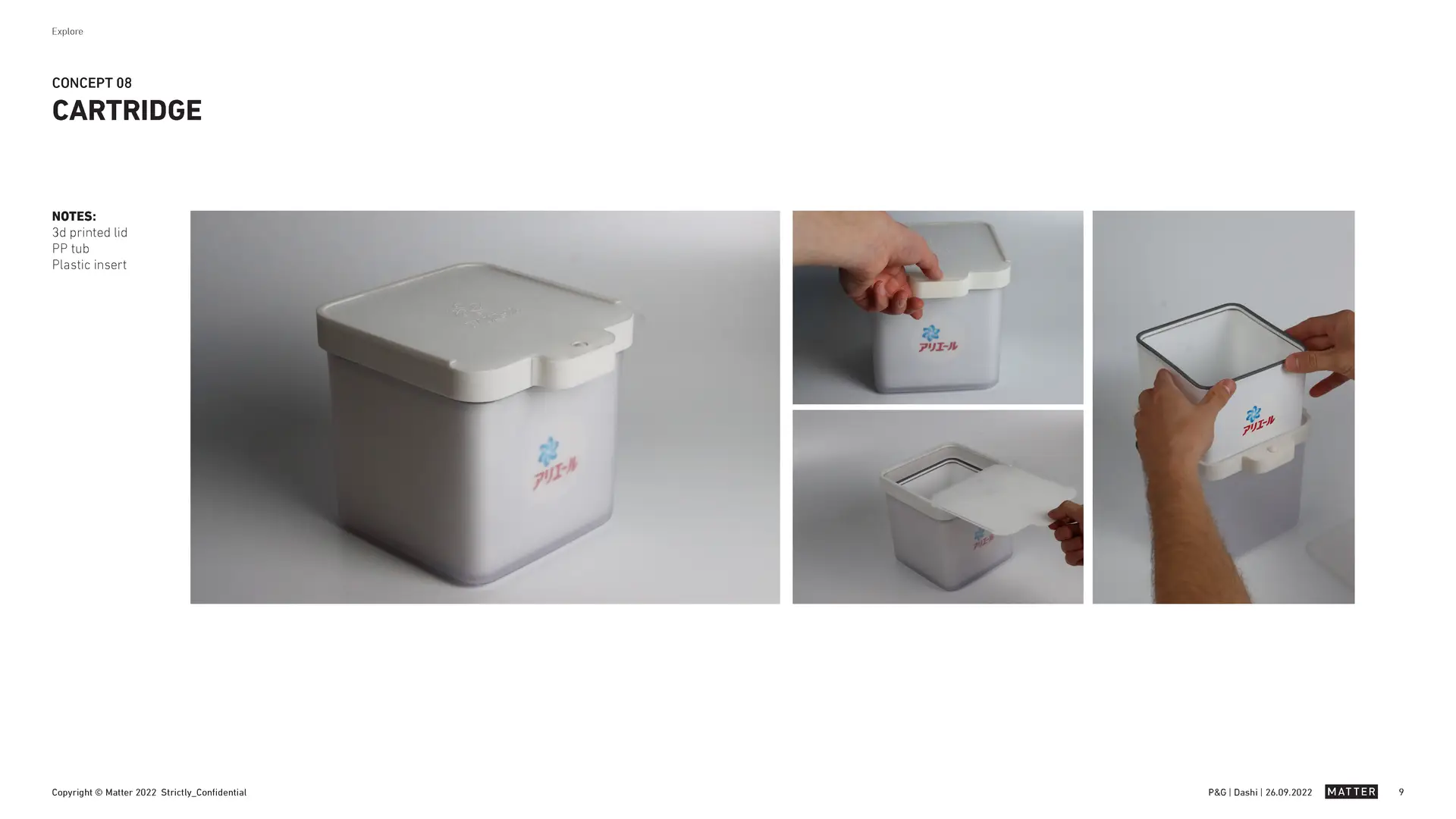
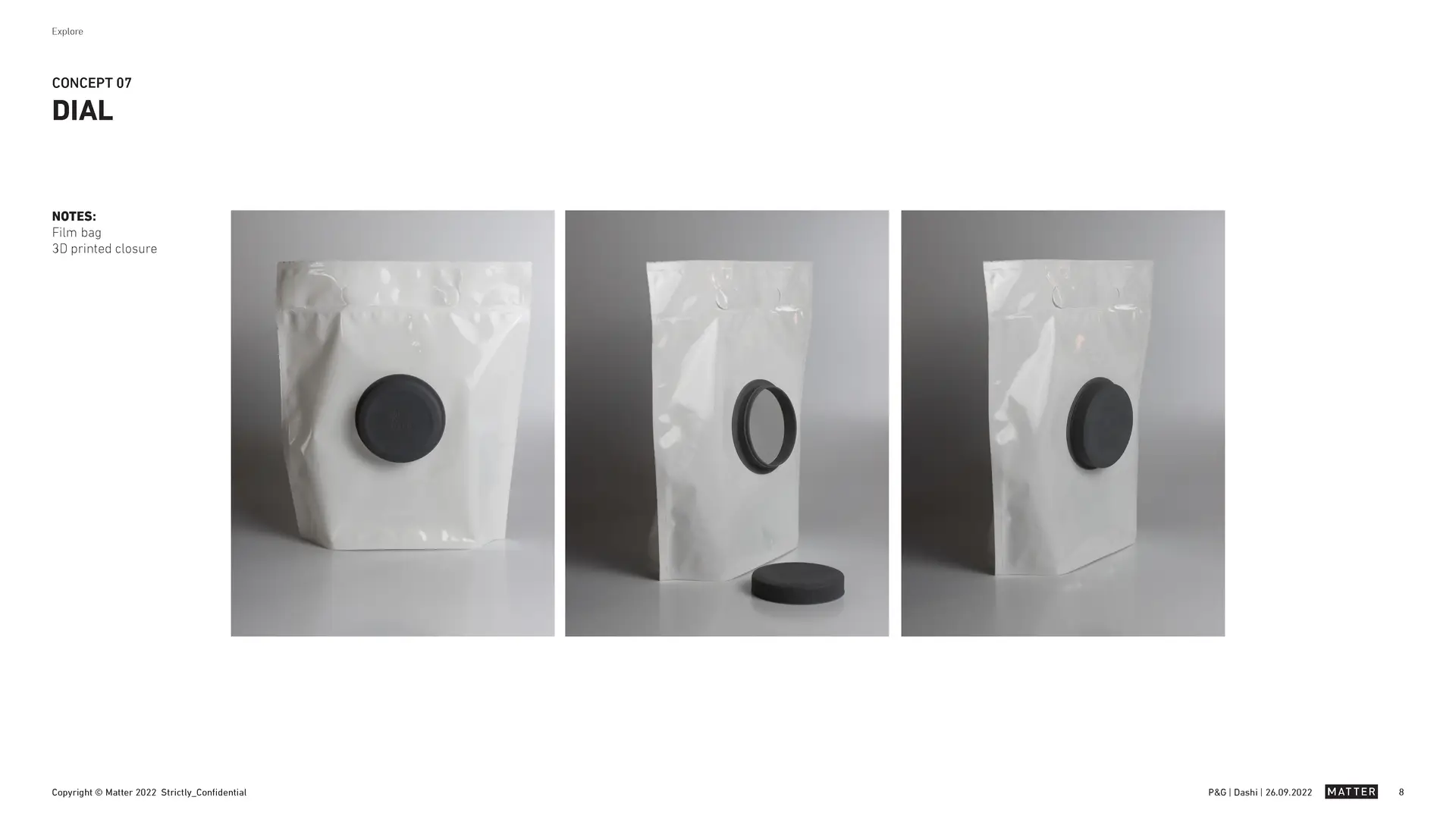
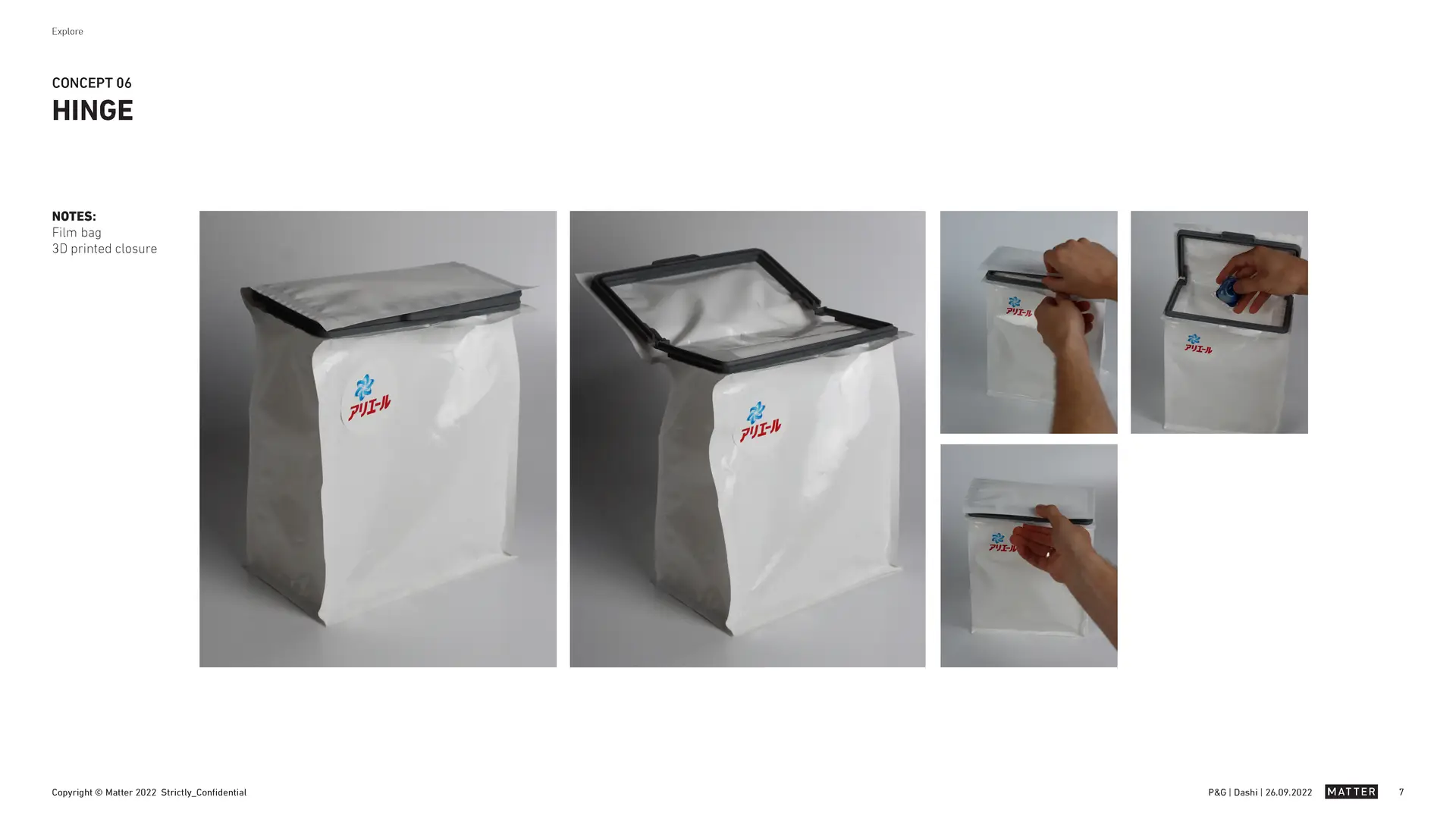
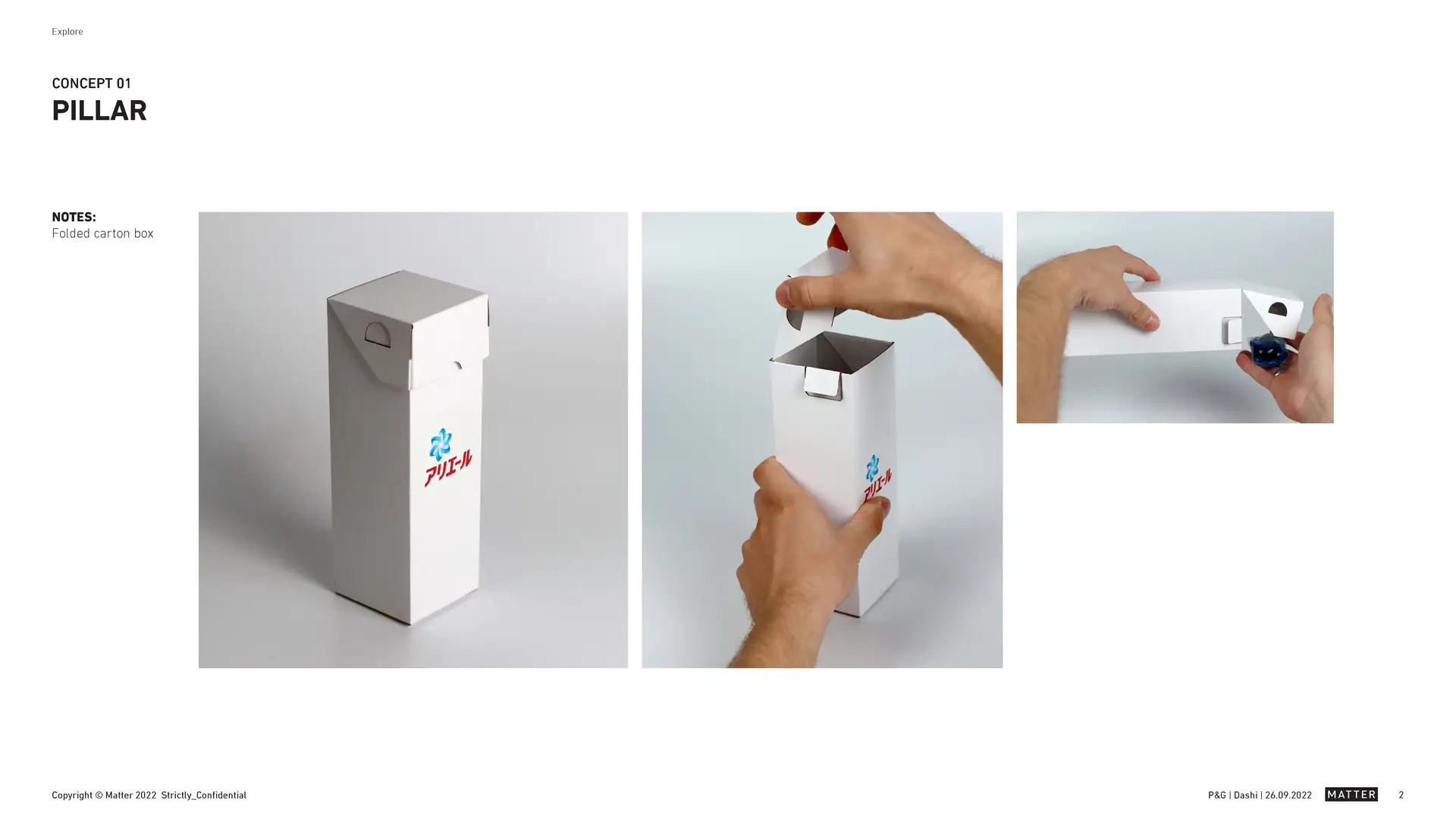
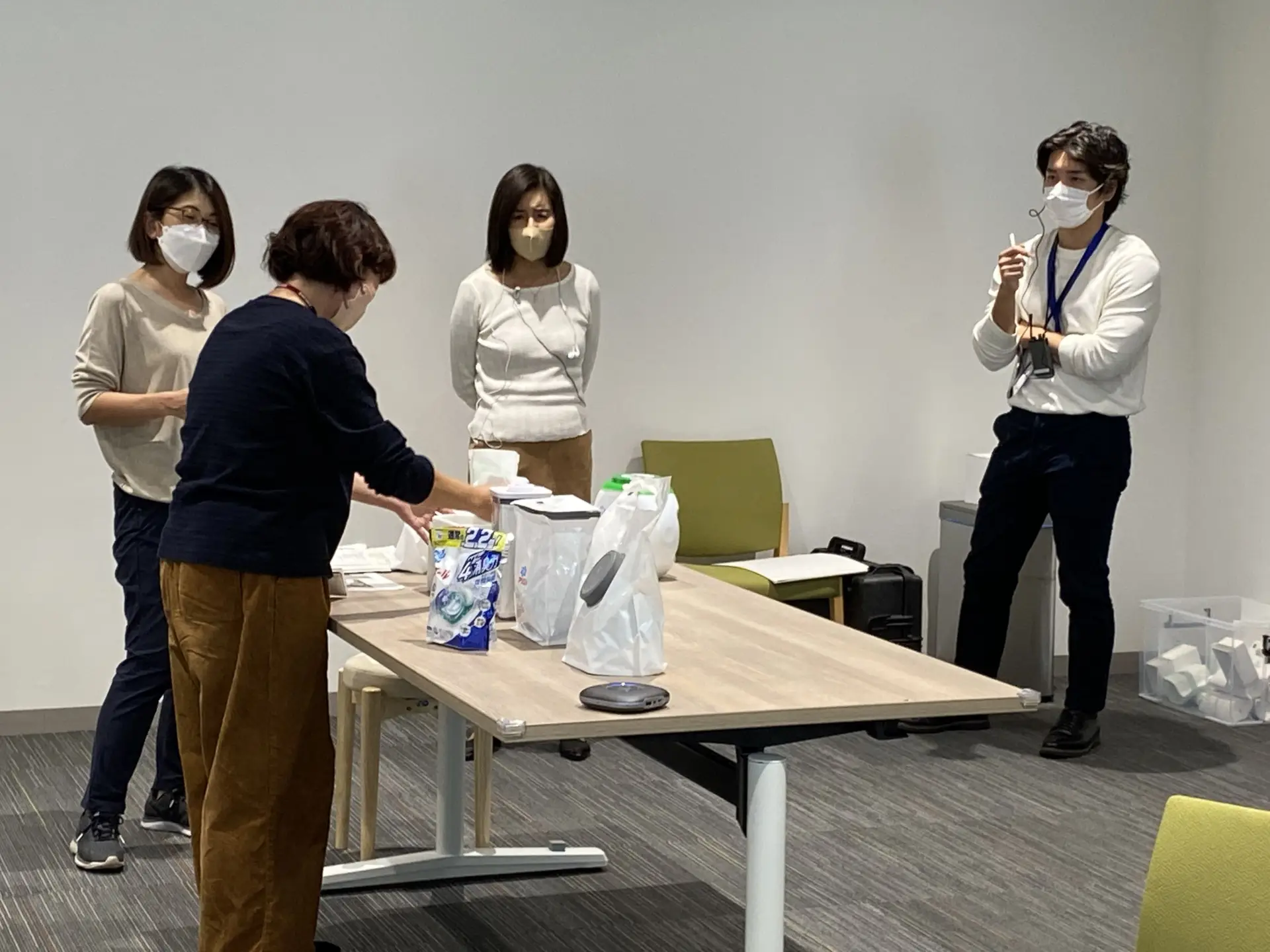
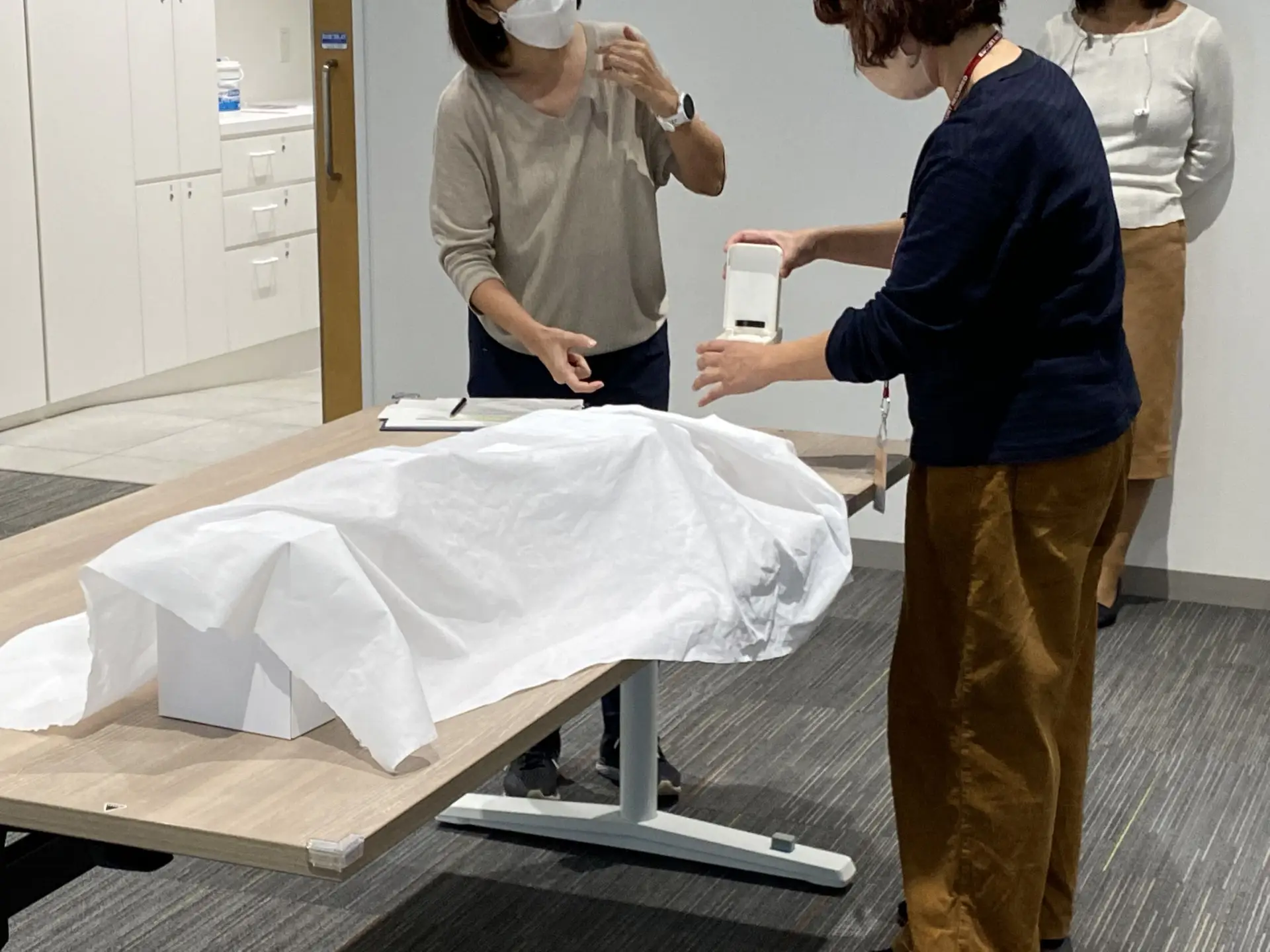
Consumer test
Technical readiness
To bridge the gap between design and mass production, I facilitated a comprehensive technical assessment alongside our global & regional manufacturing partners. We synchronized the package’s structural development with the processing engineering of the local production lines, ensuring that every design detail was fully optimized for manufacturing feasibility without compromising the user experience.