
Designing for the Pause: What a frying pan taught me about harmony
“Good design is born from acute observation. It is the practice of looking at a daily frustration and asking: how can we engineer this friction out of existence?”
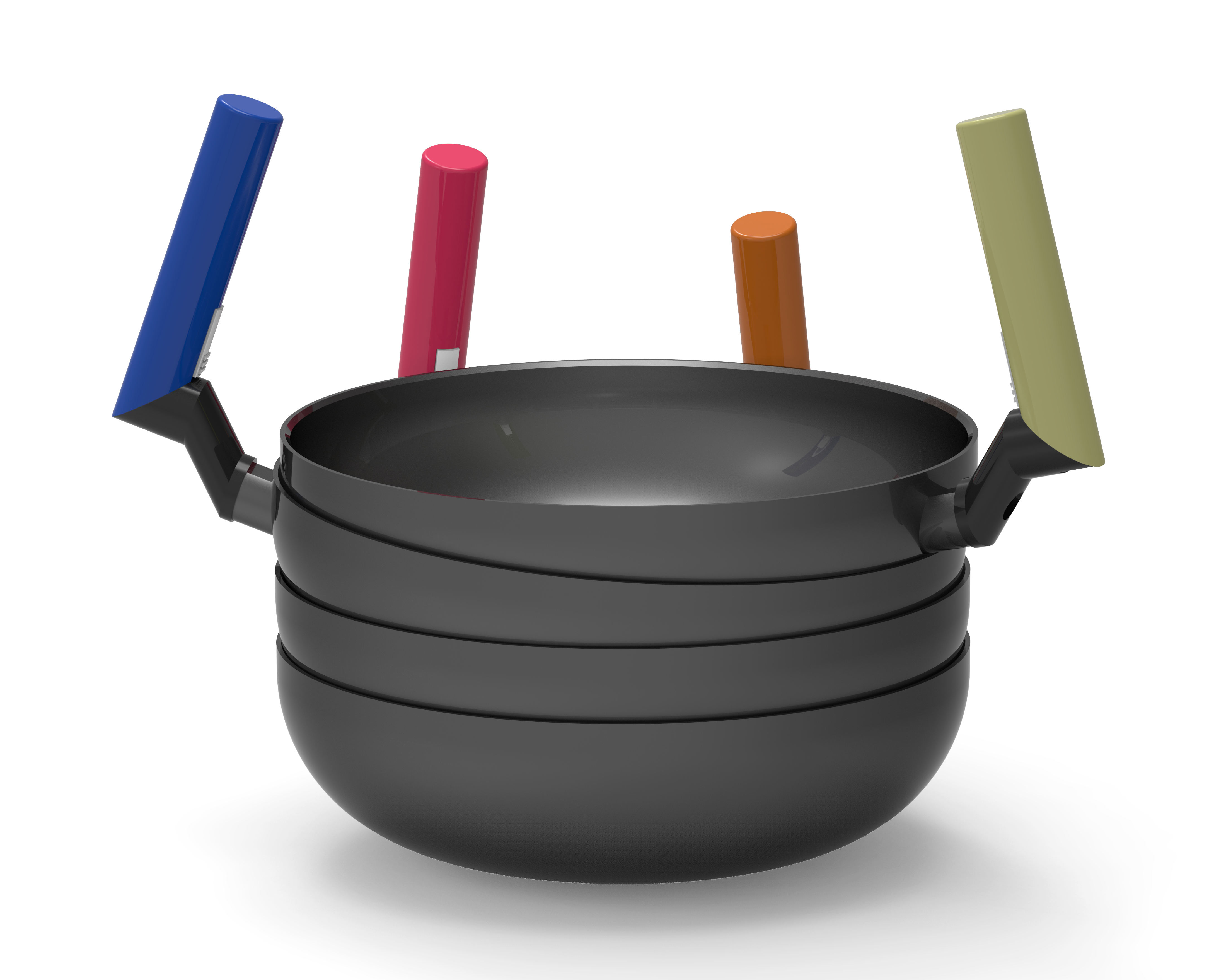
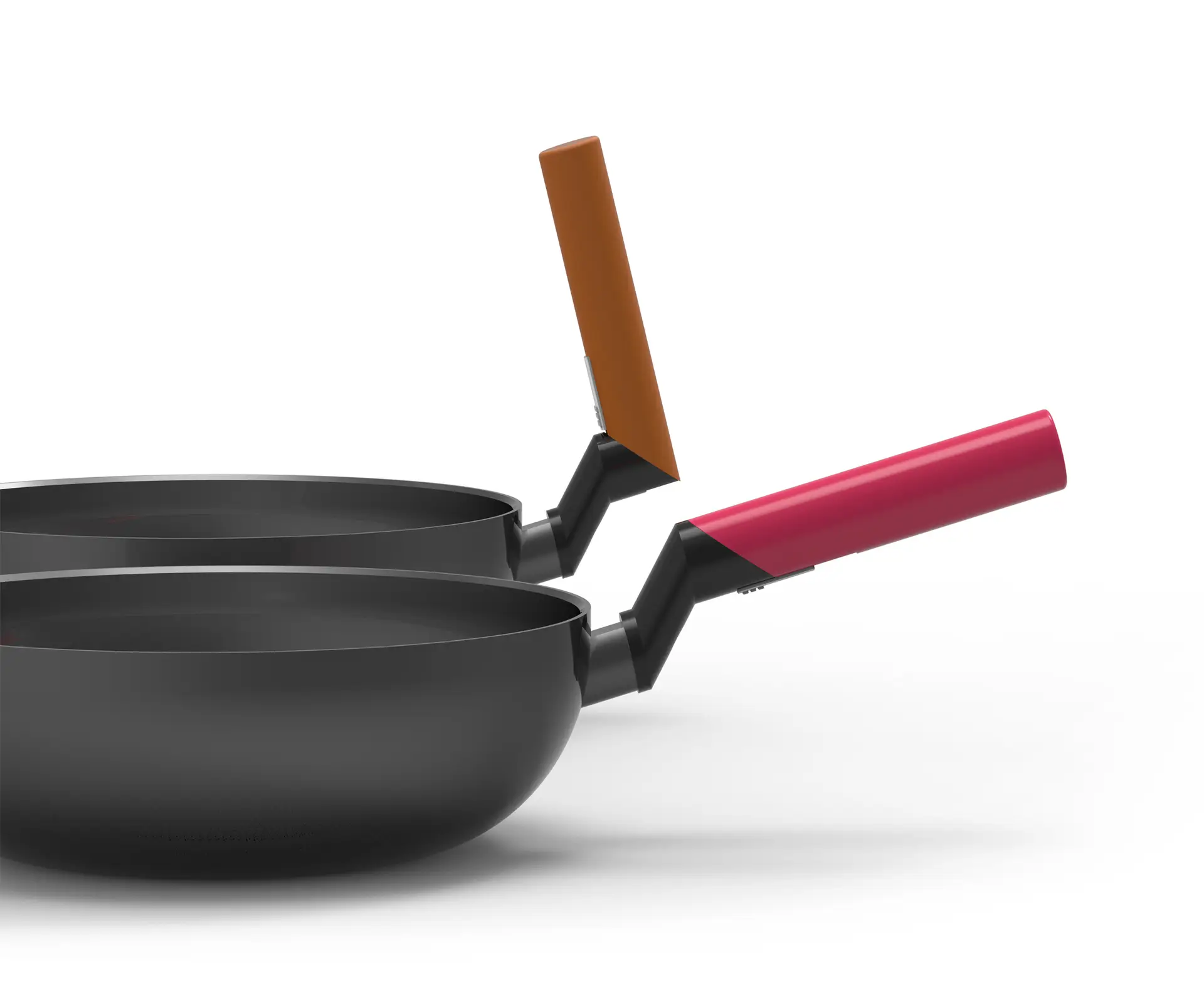
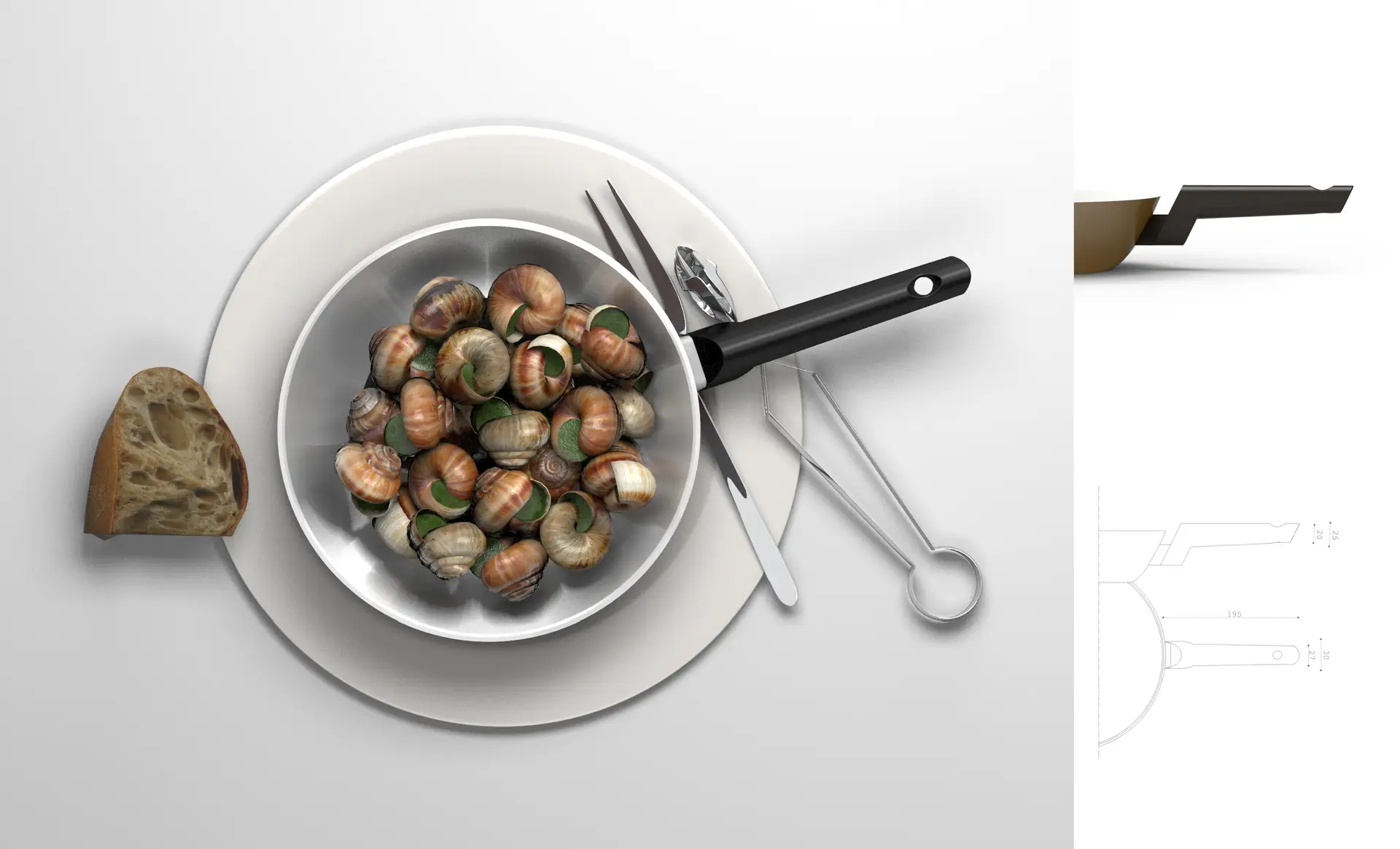
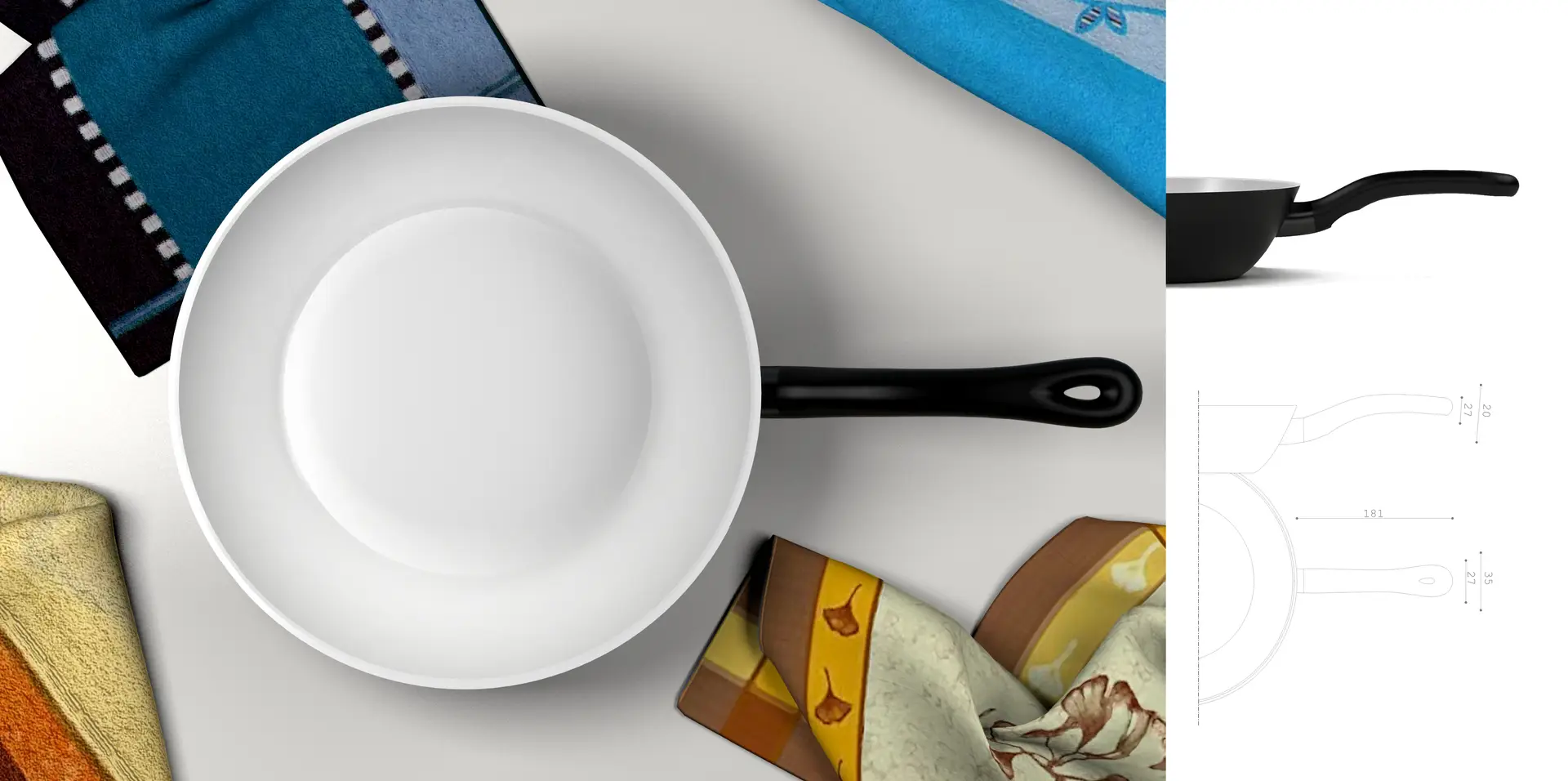
As an industrial designer, I believe that the most compelling design solutions rarely come from a vacuum; they are usually born from everyday, overlooked moments of friction. For me, the catalyst for one of my most defining projects happened far away from the drafting table. It happened while observing my mother in our family kitchen.Like many Asian and Korean mothers, she is a master of culinary multitasking, effortlessly orchestrating multiple dishes at once. This style of cooking inherently requires a diverse and extensive arsenal of cookware—from woks and sauté pans to standard skillets. However, I consistently noticed a recurring spatial conflict when it came time to clean up and put the tools away. She would meticulously try to stack a series of frying pans inside her cabinets, only to be constantly defeated by the rigid, protruding handles.
The storage was always at maximum capacity, not because of the volume of the pans themselves, but because of the awkward, unusable negative space dictated by the handles. The “handle paradox” became clear to me: a handle is strictly necessary for the ten percent of the time the pan is in active use, yet it aggressively dictates how much space the object consumes during the ninety percent of the time it is stored.
The Challenge: A Mandate for Functional Elegance
During my internship at the renowned Milan-based design studio Roberto Paoli, I was immersed in an environment that championed the intersection of aesthetic refinement and absolute functional utility. When the studio director tasked me with conceptualizing a new approach to modern objects, I immediately knew which domestic matter I wanted to tackle.The brief was open but demanding: create a product that respects the spatial limitations of the modern, urban living without compromising on the robust ergonomics required with the maximized sense of aesthetic.
In Milan, I learned that true industrial design extends far beyond mere practicality. The Italian approach taught me that an object must possess a “soul”—a resonant emotional quality that connects with the user on a human level. A frying pan is not merely a tool for applying heat to food; it is a companion in the intimate, daily ritual of nourishing a family. If we only design for function, we strip the object of its dignity and the user of their experience.
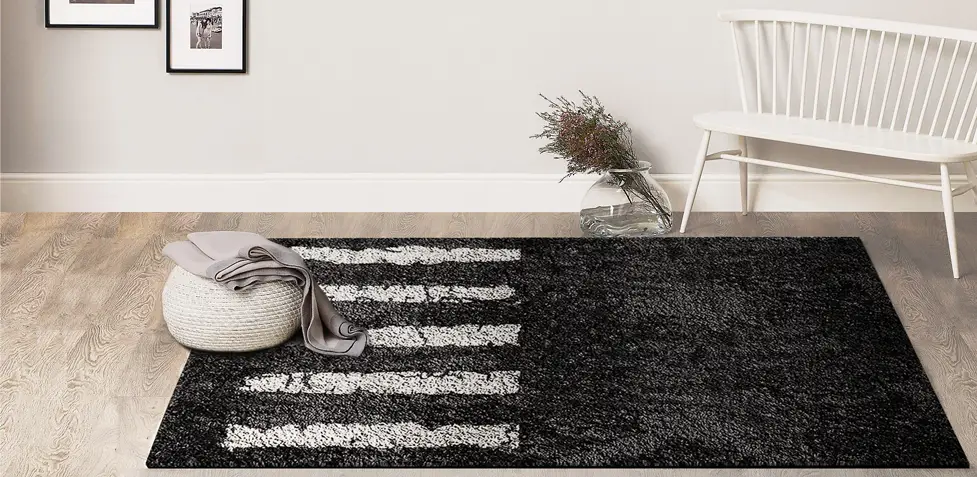
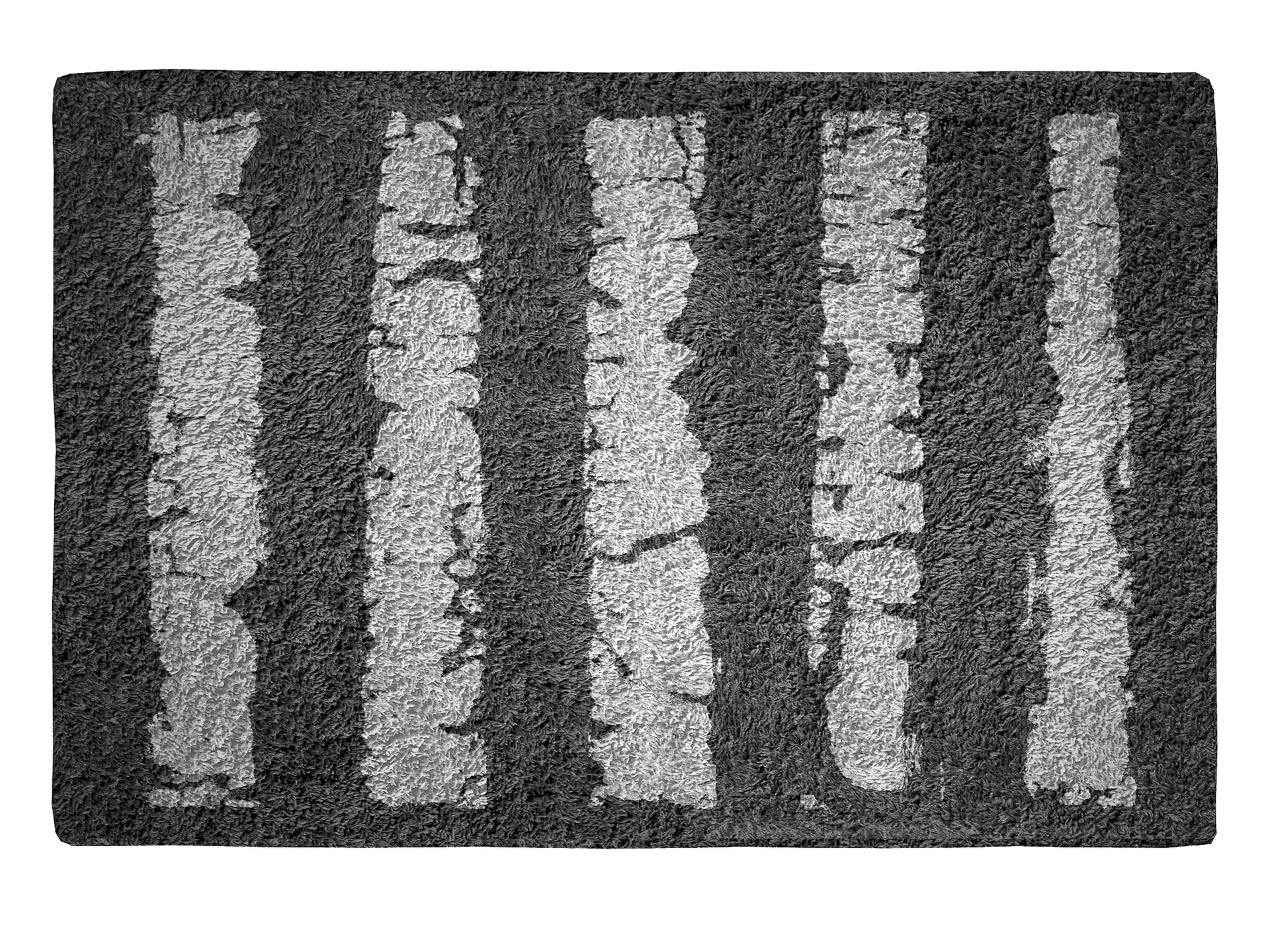
<Carpet design that was proposed to Italian carpet brand ‘I+I’. The design was inspired from a cross near the studio.>